

In 2024, LaserVue Eye Center became the first practice in the San Francisco Bay Area to offer Robotic Laser Cataract Surgery. The technology pairs robotic precision with femtosecond laser guidance and your surgeon’s experience. Together, you receive a more customized approach to cataract removal.
For patients comparing their options, the real question is simple. What does a laser actually change about cataract surgery?
Traditional Cataract Surgery, Briefly In traditional cataract surgery, the surgeon works by hand. They create the incision, then remove the clouded lens. This process uses specialized surgical instruments. The next step is called phacoemulsification. It’s a well-established, safe procedure. Surgeons perform manual cataract surgery more than 4 million times a year in the United States. Contrary to popular belief, this procedure is not performed with a laser, although still having high rates of safety and satisfaction. Every incision and every adjustment depends on the surgeon’s expert hand.
Where Robotic and Laser Technology Comes In
Robotic laser cataract surgery adds another layer of guided precision. Before surgery, the Lensar ALLY laser cataract treatment system creates a detailed map of the eye. A femtosecond laser then uses that map to create the initial incisions and soften the clouded lens. It does this with computer-controlled accuracy, not a handheld blade. The surgeon still leads every step. They make every clinical decision. The laser technology of the ALLY supports the most precision-dependent parts of the procedure. That precision is impossible to match by hand alone.
This is the core difference in any comparison of laser cataract surgery vs traditional cataract surgery. Traditional surgery relies on manual technique for each incision. Laser-assisted, robotically guided surgery uses pre-surgical imaging and modern computer guidance instead. Each step follows a plan built from that imaging. It doesn’t rely on judgment made in the moment alone.
Why Precision Matters More Than It Sounds
Cataract surgery outcomes depend heavily on the lens implant. The replacement lens is called an intraocular lens, or IOL. For our patients who choose premium lifestyle lenses, having a dependable lens matters. These lenses can correct astigmatism. They can also provide a greater range of vision correction at near, mid-range, and far distances, further reducing the need for reading glasses. Robotic laser cataract surgery is a premium
treatment option that improves the speed, comfort, and predictability of outcomes during cataract surgery.
Robotic laser cataract surgery often offers a comfort benefit too. The laser pre-softens the lens before removal. Because of that, the eye typically needs less ultrasound energy during extraction. Several studies link that reduction to less inflammation. Patients often see a smoother early recovery as a result.
Who Performs Robotic Laser Cataract Surgery at LaserVue
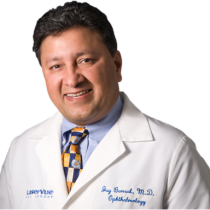
Dr. Jay Bansal founded LaserVue Eye Center in 1996. He has personally taken part in more than 40,000 vision correction procedures since then. Our experience informs our innovation, demonstrated by our high performance with every new technology that we adopt.
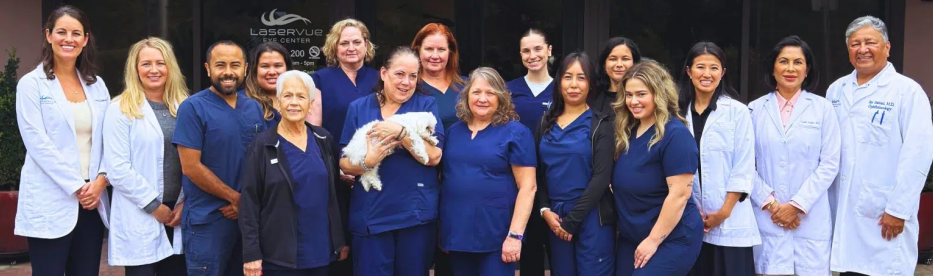
Robotic guidance supports our surgeon’s expert techniques during cataract surgery. It doesn’t replace them: Our surgeons still oversee your lens placement. The surgeon still corrects for each patient’s unique eye shape. The surgeon still manages anything unexpected during the procedure. LaserVue’s surgical team brings decades of hands-on cataract experience into the new evolution of laser cataract surgery.
Why LaserVue Was First in the Bay Area
Being the first practice to offer robotic laser cataract surgery in San Francisco wasn’t a marketing decision. LaserVue has built its reputation on early adoption of proven vision correction technology since 1996. Robotic laser cataract surgery was a natural next step. The technology matured enough to become a great addition to our two Bay Area centers. Adopting new surgical technology early only makes sense under one condition: The
practice needs great clinical judgment to use new technologies well, right away. LaserVue’s surgeons have performed thousands of traditional cataract procedures before adding robotic guidance. The transition built on an already deep base of experience.
What Cataract Surgery Day Looks Like
Robotic laser cataract surgery itself takes about fifteen minutes per eye. That’s similar to the surgical time for traditional cataract removal. The full appointment runs closer to two to three hours. That time includes pre-operative preparation, the laser and robotic-guided steps, and initial recovery monitoring. Our patients return home the same day. Many notice improved vision within a day or two. Full stabilization, though, can take several weeks with your vision continuing to improve over time.
Questions Worth Asking Before You Choose
Every patient’s eyes are different, so it helps to ask specific questions during your consultation. Consider bringing up:
Which lens option fits my lifestyle?
How can I benefit from robotic laser guidance during my cataract treatment? Do I have astigmatism or other conditions that make laser-guided incisions more valuable in my case?
What is the real difference in recovery time between the robotic and traditional approach
for someone like me?
How does the added cost of robotic guidance compare to the benefits I’m likely to get?
A good consultation should answer your questions clearly, with your specific eyes and goals in mind, not a generic response that applies to every patient.
Is Robotic Laser Cataract Surgery Right for Everyone?
Not every patient needs the robotic-assisted approach to get an excellent outcome. Traditional cataract surgery remains a safe, effective option for millions of people every year. For those choosing premium lens options, the added precision can matter more. Patients with astigmatism that need precise correction can often benefit too. In both cases, femtosecond laser cataract surgery can make a real difference in the final result. A consultation at LaserVue Eye Center includes a full evaluation of your eyes and a thorough discussion of your lens options. That evaluation helps determine whether robotic laser cataract surgery is a great investment for you.
Frequently Asked Questions
Is robotic laser cataract surgery more painful than traditional cataract surgery?
No. Both approaches use numbing eye drops. Both are considered virtually painless. The laser and robotic guidance change how the incisions and lens softening are performed, which can make the procedure faster and more efficient, but this doesn’t change the level of discomfort during the procedure itself.
Does robotic cataract surgery cost more than traditional cataract surgery?
Robotic laser cataract surgery typically costs more than traditional cataract surgery because of the added technology involved. The exact cost depends on your chosen lens and insurance coverage. LaserVue reviews your specific costs in detail during your consultation.
How long is recovery after robotic laser cataract surgery?
Most patients notice improved vision within a day or two and resume normal activities shortly after. Full visual stabilization, especially with premium lens options, can take a few weeks as the eye finishes healing.
Is everyone a candidate for robotic laser cataract surgery?
Most cataract patients are candidates. The best approach depends on your eye health, lens choice, and whether you have astigmatism or other conditions that benefit from added precision. A LaserVue consultation determines which method fits your eyes.
What makes LaserVue’s robotic cataract technology different from other Bay Area
practices?
LaserVue was the first practice in the San Francisco Bay Area to offer robotic laser cataract surgery. That technology comes paired with three decades of surgical experience. It’s backed by more than 40,000 procedures performed by its founding surgeon.