

LASIK, or Laser-Assisted In Situ Keratomileusis, is one of the most trusted and successful vision correction procedures in the world. It reshapes the cornea to improve how light focuses on the retina, delivering clearer vision almost instantly. Modern LASIK has advanced dramatically with improved precision, comfort, and safety.
The results are often life-changing, offering patients freedom from glasses or contact lenses. However, not everyone knows they might already be a great candidate for LASIK. The following signs can help you determine if laser vision correction could be your path to visual freedom.
1. You Have a Stable Vision Prescription
A stable prescription is one of the strongest indicators that you may be ready for LASIK. Most eye specialists require your prescription to remain unchanged for at least 12 months. Stable vision ensures that the cornea and refractive errors have stabilized, allowing the laser correction to be precise and long-lasting.
If your prescription has remained steady over time, you may already qualify for the procedure. This stability minimizes the risk of regression after surgery, leading to durable, high-quality results.
2. You Are in Good Overall Health
General health plays a vital role in the success of any surgical procedure. Good candidates for LASIK typically have healthy immune systems and no chronic conditions that affect healing. Individuals with uncontrolled diabetes, autoimmune diseases, or certain eye disorders may not qualify.
However, many common health conditions, when well-managed, do not disqualify you. If you maintain good physical health and have no major eye diseases, you’re likely a strong LASIK candidate.
3. Your Corneas Are Thick and Healthy
LASIK reshapes the cornea to correct refractive errors like nearsightedness, farsightedness, and astigmatism. For the laser to work safely, the cornea must have adequate thickness. Thin or irregular corneas may not support the flap created during LASIK.
Advanced diagnostic imaging can measure your corneal thickness accurately. If your corneas are healthy and thick enough, you may already have one of the key qualifications for LASIK.
4. You Experience Frustration with Glasses or Contact Lenses
If you often feel limited or inconvenienced by your corrective eyewear, LASIK may offer life-changing relief. Constantly cleaning glasses, managing fog, or dealing with dry contacts can be frustrating. LASIK eliminates the dependency on external aids for most patients.
It offers convenience and freedom for travel, sports, and professional activities. Those who crave independence from eyewear often find LASIK to be the best decision they’ve ever made.
5. You Have Healthy, Stable Eyes
Healthy eyes are essential for optimal LASIK outcomes. Candidates should be free from infections, chronic dryness, or significant ocular conditions like glaucoma or keratoconus. Your surgeon will conduct a detailed eye examination to evaluate corneal shape, tear production, and pupil size.
Maintaining good eye hygiene and avoiding irritants can enhance your eligibility. If your eyes are healthy, you’re likely a step closer to qualifying for laser vision correction.
6. You Are Over 18 and Have Mature Vision
Age matters when considering LASIK. The FDA-approved minimum age for LASIK is 18, ensuring that vision has stabilized after adolescent growth. Younger individuals often experience prescription changes, making early surgery less effective.
Adults with mature, stable vision are the best candidates. If you’re over 18 and your prescription hasn’t changed, you might already meet the age requirement for LASIK candidacy.
7. You Have Realistic Expectations
LASIK offers exceptional results, but like all procedures, it has limitations. Most patients achieve 20/20 vision or better, though perfection cannot be guaranteed. Candidates who understand that LASIK significantly improves daily vision, not necessarily creating “superhuman” sight, tend to be the happiest.
If your expectations align with medical reality, you’re already thinking like a great LASIK candidate.
The Science Behind LASIK Safety and Success
LASIK remains one of the safest elective procedures available today. Studies published by the American Academy of Ophthalmology confirm that over 96% of LASIK patients report satisfaction with their vision results. The procedure itself is quick, typically lasting only 10 to 15 minutes per eye.
Most patients experience minimal discomfort and rapid recovery, often returning to work within 24 to 48 hours. With continuous advancements in laser precision and eye-tracking systems, LASIK outcomes are more accurate and reliable than ever.
Commitment to Excellence in Vision Care
With over 25 years of experience and more than 40,000 successful vision correction procedures, LaserVue Eye Center continues to set the standard for excellence in ophthalmic care. The team combines advanced laser technology with individualized treatment plans, ensuring every patient receives precision results and compassionate service.
Serving the San Francisco Bay Area, our mission remains constant: helping patients achieve the freedom of clear, natural vision through advanced eye care.
Book Your LASIK Consultation Now!
LASIK can transform your life. One clear moment at a time. If these 7 signs sound familiar, you may already be the perfect candidate for vision correction. Schedule your personalized consultation today with the trusted experts at LaserVue Eye Center. Rediscover the world; sharper, brighter, and completely yours.
Frequently Asked Questions
1. How do I know if my prescription is stable for LASIK?
Stability means your prescription hasn’t changed for at least a year. This ensures accurate, lasting correction results. Regular eye exams confirm prescription consistency. A stable prescription also prevents regression after surgery. Your ophthalmologist verifies this before treatment.
2. What health conditions could prevent LASIK eligibility?
Certain autoimmune diseases and uncontrolled diabetes may affect healing. These conditions can slow tissue recovery post-surgery. Good overall health supports better outcomes. Managed health conditions usually pose no barrier. Always disclose medical history during consultation.
3. How thick should my corneas be for LASIK?
Corneal thickness typically needs to be above 500 microns. Adequate thickness allows safe laser reshaping. Thin corneas increase the risk of complications. A topography scan measures exact thickness. Surgeons evaluate this data before recommending LASIK.
4. Can LASIK help with astigmatism?
Yes, LASIK corrects mild to moderate astigmatism effectively. It reshapes the cornea to create even curvature. This improves focus and visual sharpness. Results are typically immediate and long-lasting. A consultation confirms suitability for your specific case.
5. Is LASIK safe for older adults?
LASIK can be safe for adults over 40 if their eyes are healthy. Age itself isn’t a limiting factor. Candidates need stable prescriptions and no major eye diseases. Some older adults may benefit more from lens-based surgery. A surgeon determines the best option after testing.
6. How long is the LASIK recovery time?
Most patients resume normal activities within two days. Blurry vision may persist briefly. Healing continues over several weeks. Protective eyewear and drops aid recovery. Post-operative visits ensure proper healing progress.
7. Are dry eyes a concern before LASIK?
Mild dryness is manageable before surgery. Surgeons treat it with lubricating drops or supplements. Severe dryness may delay LASIK eligibility. Proper hydration and pre-care improve outcomes. Eye health evaluation addresses dryness concerns beforehand.
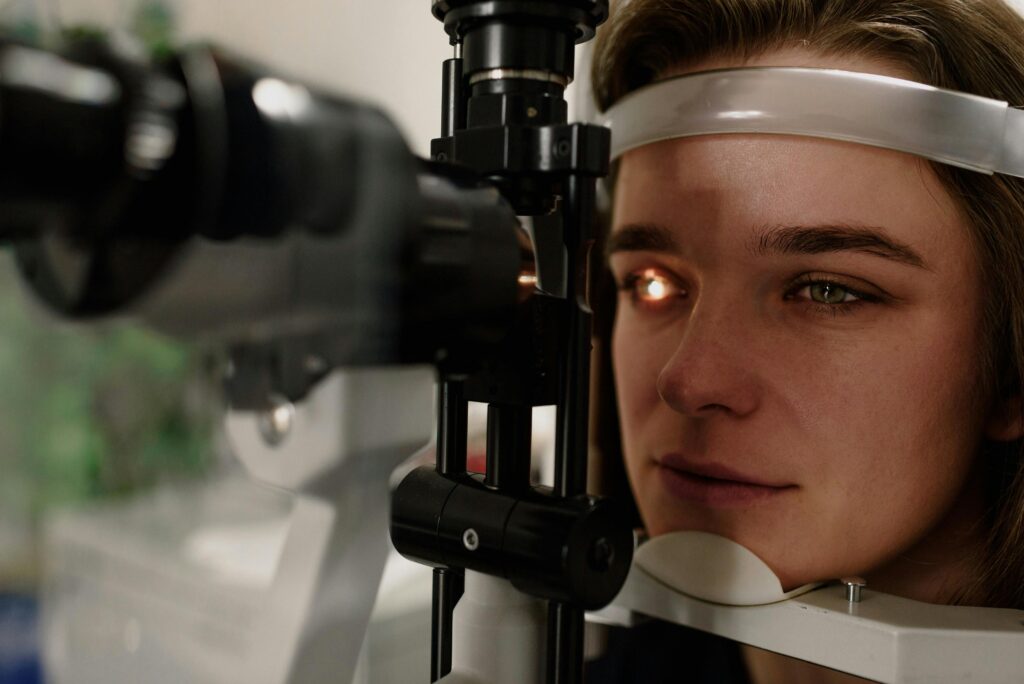
8. What happens during a LASIK consultation?
Doctors perform diagnostic scans and eye health assessments. Corneal thickness, prescription, and pupil size are analyzed. The consultation determines candidacy and surgical approach. Results are reviewed in detail with the patient. It’s the first step toward personalized vision care.
9. How long does LASIK vision improvement last?
LASIK results are long-lasting for most patients. The corneal correction remains stable over time. Natural aging may cause minor changes later. Routine exams help monitor vision health. Many enjoy clear sight for decades post-surgery.
10. When should I consider LASIK surgery?
Consider LASIK if you have stable vision and healthy eyes. Frustration with glasses or contacts is a common motivator. Age above 18 ensures vision maturity. Consultation confirms full eligibility. Acting early can prevent years of dependence on lenses.