

Your vision is one of your most valuable assets. It connects you to the world, shapes your experiences, and defines how you see life itself. At LaserVue Eye Center, we believe that achieving clear vision begins long before surgery. It begins with a comprehensive eye exam.
Our commitment to precision and care ensures that every procedure we perform, from LASIK to cataract surgery. It is grounded in accurate diagnosis and personalized treatment. Serving the San Francisco Bay Area, our mission is simple: to protect, preserve, and enhance your vision with the latest technology and compassionate expertise.
The Foundation of Better Vision
A comprehensive eye exam is more than a quick check of your eyesight. It is a detailed evaluation of your entire visual system. This process allows our ophthalmologists to detect even the slightest irregularities before they affect your daily life.
At LaserVue Eye Center, we treat every eye as unique. No two patients share the same visual needs or medical history. Our goal is to understand your vision completely so that we can tailor treatments that bring clarity and comfort for years to come.
What Makes a Comprehensive Eye Exam Different?
Routine eye exams often focus on checking visual acuity, how well you can see letters on a chart. A comprehensive eye exam, however, goes much deeper. It provides a 360-degree view of your eye health, helping our specialists identify conditions early and recommend the most effective care.
Key Components of a Comprehensive Eye Exam
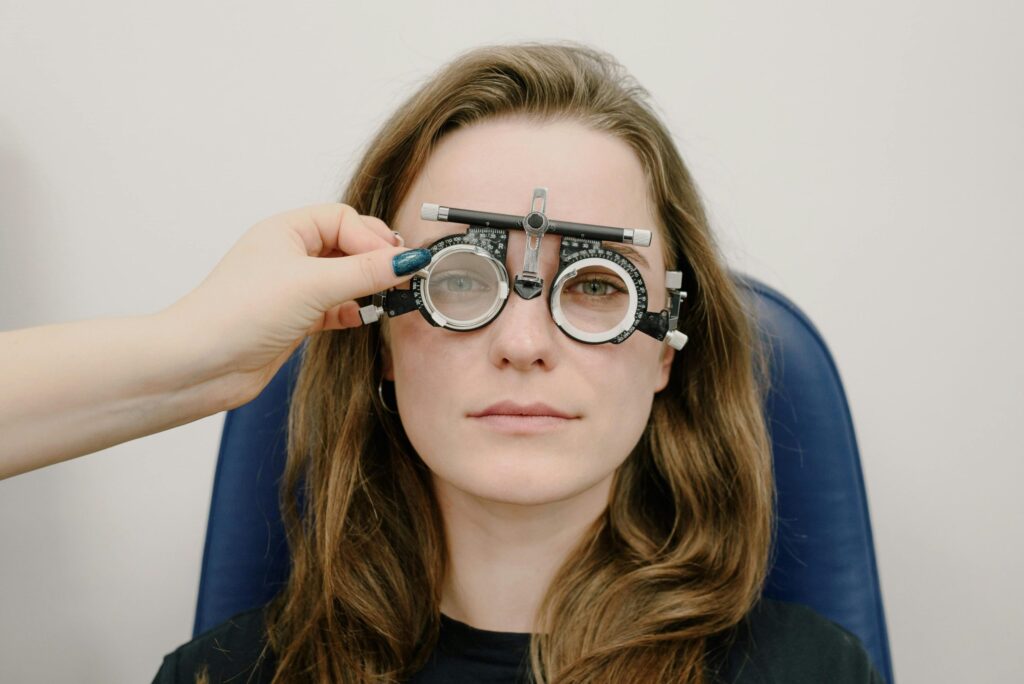
- Refraction Assessment: Determines whether you need glasses or contact lenses.
- Corneal Mapping: Measures corneal thickness and shape to evaluate LASIK candidacy.
- Retinal Imaging: Captures high-resolution images to detect disease in early stages.
- Pupil Dilation: Allows examination of the optic nerve and retina.
- Tear Film Evaluation: Assesses eye moisture for patients with dryness or irritation.
- Intraocular Pressure Testing: Screens for glaucoma and other pressure-related conditions.
Each test provides essential data that helps our surgeons customize your vision correction plan.
The Connection Between Eye Exams and LASIK Success
A successful LASIK procedure starts with precise measurements and thorough pre-operative testing. Skipping a detailed exam could lead to undercorrection, overcorrection, or discomfort after surgery.
At LaserVue Eye Center, every LASIK candidate undergoes a full evaluation to ensure the cornea is healthy and the vision is stable. Our surgeons analyze corneal curvature, thickness, and tear film balance to determine the ideal laser settings for your eyes.
This personalized approach allows us to achieve sharper results with faster recovery times. With over 40,000 successful procedures, our patients consistently experience freedom from glasses and contact lenses.
The Role of Comprehensive Exams in Cataract Care
Cataracts are a natural part of aging, but with modern technology, they are easily treatable. The key to successful cataract surgery lies in accurate pre-surgical diagnostics.
A comprehensive exam provides critical information about lens clarity, eye pressure, and retinal health. This data helps our ophthalmologists determine the best type of intraocular lens (IOL) for your vision goals. Whether that’s distance, reading, or multifocal correction.
Patients who undergo a full evaluation before cataract surgery often experience smoother outcomes and better long-term clarity.
Detecting Early Signs of Eye Disease
Many eye diseases develop silently, without noticeable symptoms. Conditions like glaucoma, macular degeneration, and diabetic retinopathy can cause permanent vision loss if not detected early.
Comprehensive eye exams allow for early intervention through advanced imaging and diagnostic testing. At LaserVue Eye Center, we use high-definition optical coherence tomography (OCT) and digital fundus photography to identify subtle changes that traditional exams might miss.
Our proactive approach helps preserve your sight long before vision loss occurs.
The Importance of Technology in Modern Eye Care
Cutting-edge technology is the cornerstone of every diagnostic and surgical service we provide. From wavefront analysis to corneal topography, our equipment offers unmatched precision and safety.
This technology not only improves the accuracy of diagnoses but also enhances the predictability of procedures like LASIK and cataract surgery. Patients benefit from shorter recovery times, reduced risks, and outstanding visual outcomes.
With continuous innovation and over 25 years of experience, we remain at the forefront of eye care excellence in the Bay Area.
Patient-Centered Care: More Than Just an Exam
At LaserVue Eye Center, we see beyond the microscope. We see people, each with their own hopes, concerns, and dreams for a better vision.
Our doctors take time to explain every step of your exam, answer your questions, and discuss all available options. This transparency builds trust and helps you make informed decisions about your vision.
Our patients often describe their experience as transformative. Not just because of the results, but because of the way they were treated.
Preparing for Your Comprehensive Eye Exam
Arriving prepared for your appointment ensures the most accurate results. Here are a few recommendations for your visit:
- Bring your current prescription glasses or contact lenses.
- List all medications you take regularly.
- Share any history of eye surgery or family eye conditions.
- Be ready for possible dilation, which can temporarily blur your vision.
Our team will guide you through every test with comfort and care, ensuring a seamless experience from start to finish.
How Often Should You Schedule a Comprehensive Eye Exam?
Regular eye exams are essential for maintaining healthy vision. Adults should have a comprehensive eye exam at least once every two years.
Those with diabetes, high blood pressure, or a family history of eye disease may need more frequent evaluations. After age 60, annual exams are strongly recommended.
By making eye health a priority, you ensure a lifetime of clear, vibrant vision.
The Value of Early Detection and Ongoing Care
Vision problems are easier to treat when caught early. Comprehensive exams allow our specialists to detect subtle changes that might indicate future complications.
Early treatment prevents irreversible damage and keeps your eyes performing at their best. Whether you are planning vision correction surgery or simply maintaining your health, regular eye exams are the foundation of lifelong clarity.
Why Bay Area Patients Trust LaserVue Eye Center
For decades, Bay Area residents have relied on our expertise for advanced vision correction. Our record of over 40,000 successful procedures speaks to our precision and dedication.
Our team combines surgical excellence with genuine compassion. Every patient receives personalized care backed by state-of-the-art technology and years of experience.
We don’t just correct vision. We transform lives through clarity, confidence, and freedom.
Schedule Your Comprehensive Eye Exam Today!
Take control of your vision with the experts trusted by thousands across the Bay Area. Call to book your appointment at LaserVue Eye Center.
Clear vision begins with understanding your eyes—and we’re here to guide you every step of the way.
Frequently Asked Questions
1. What is included in a comprehensive eye exam?
A comprehensive eye exam evaluates vision, eye health, and overall visual function. It includes refraction testing, corneal mapping, retinal imaging, and glaucoma screening. This detailed assessment helps detect vision problems and eye diseases early for better treatment outcomes.
2. How often should I have a comprehensive eye exam?
Most adults should schedule a comprehensive eye exam every one to two years. People with diabetes, hypertension, or eye conditions may need more frequent checkups. Regular exams ensure early detection of vision changes and prevent long-term complications.
3. Why is a comprehensive eye exam important before LASIK surgery?
A thorough eye exam determines if you are a suitable candidate for LASIK. It measures corneal thickness, curvature, and tear film to ensure safe laser correction. These precise measurements improve surgical accuracy and long-term visual results.
4. Can a comprehensive eye exam detect serious eye diseases?
Yes, comprehensive eye exams can identify early signs of glaucoma, cataracts, and macular degeneration. Advanced imaging allows detection before symptoms appear. Early diagnosis enables prompt treatment and helps preserve healthy vision.
5. What is the difference between a vision screening and a comprehensive eye exam?
A vision screening only measures how clearly you see at a distance. A comprehensive exam evaluates the internal and external structures of your eyes in detail. It offers a complete picture of eye health and visual performance.
6. How long does a comprehensive eye exam take?
A typical comprehensive eye exam lasts 45 minutes to an hour. The duration depends on your vision needs and the specific tests required. Dilation or additional imaging may extend the visit slightly but ensures accurate results.
7. What tests are performed during a comprehensive eye exam?
Tests often include visual acuity, refraction, slit-lamp examination, retinal imaging, and intraocular pressure measurement. Each test reveals unique insights into eye health and function. Together, they provide a full understanding of your vision status.
8. How should I prepare for a comprehensive eye exam?
Bring your current glasses, contact lenses, and a list of medications. Be ready to discuss your medical history and vision concerns. If dilation is required, arrange for transportation, as your eyes may remain sensitive for a few hours.
9. Can a comprehensive eye exam help with headaches or eye strain?
Yes, undiagnosed vision issues can cause frequent headaches and eye fatigue. A detailed exam can reveal refractive errors, focusing problems, or digital eye strain. Addressing these issues often reduces discomfort and improves productivity.
10. What are the benefits of scheduling regular comprehensive eye exams?
Routine eye exams help maintain clear vision and detect diseases early. They also ensure that prescriptions remain accurate and tailored to your needs. Regular care supports long-term eye health and prevents avoidable vision loss.