


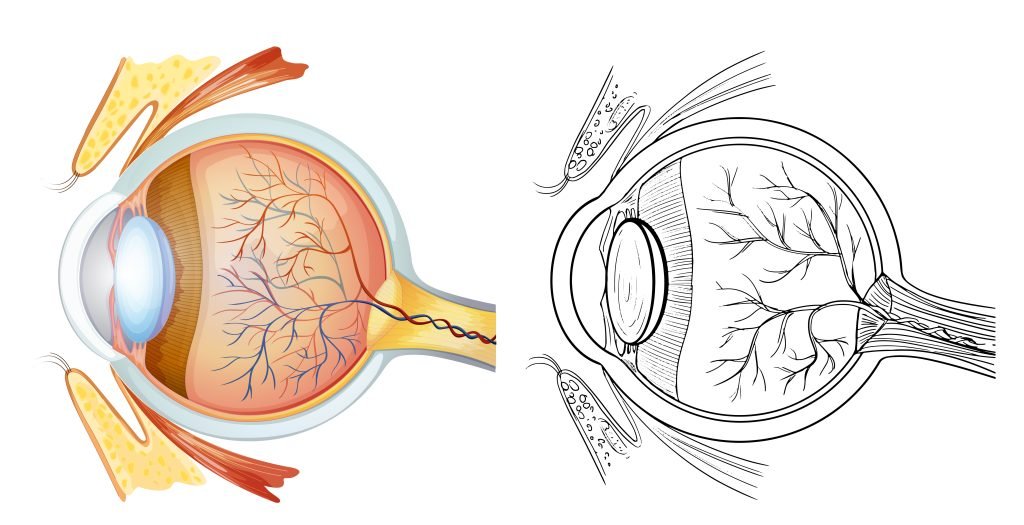
Cataracts can gradually cloud your sight, making everyday tasks challenging. It’s completely natural to feel anxious or uncertain about needing eye surgery. Many people share these feelings, and you are not alone in your concerns. The thought of surgery can feel overwhelming, but understanding the procedure step by step makes it much easier. At Laser Vue Eye Center, we know your vision is priceless, and we’re here to support you every step of the way.
Cataract surgery in Santa Rosa is one of the most common and successful procedures performed today. With over 25 years of experience and more than 40,000 procedures completed, our team has perfected a patient-focused, precise approach. Let’s walk you through exactly what happens from consultation to recovery so you know what to expect.
Step 1 – Pre-Surgery Evaluation
Before any surgery, we start with a comprehensive eye exam. Measurements of your eye are taken to determine the type and power of the intraocular lens (IOL) to implant. We also assess overall eye health to rule out other conditions. At this stage, your vision, lifestyle, and goals are discussed. This ensures a customized surgical plan that fits your unique needs.
Step 2 – Preparing for Cataract Surgery
On the day of your surgery, please arrange to have someone drive you home, as your vision may be temporarily blurry after the procedure and you will not be able to drive yourself. It is best to wear comfortable, loose-fitting clothing and avoid wearing makeup, lotions, or jewelry around your eyes. Your doctor may also give you instructions about eating or drinking before surgery; typically, patients are asked not to eat or drink anything after midnight, but confirm this with our office in advance.
When you arrive, you will be prepped in a comfortable surgical suite. Numbing drops or local anesthesia are applied to your eye, sometimes complemented with a mild sedative. This ensures you remain relaxed and pain-free throughout the procedure. Your eye is then cleaned and draped in a sterile manner to prevent infection. This preparation sets the stage for a safe, precise surgery.
Step 3 – Making the Incision
The surgeon creates a tiny incision, usually less than 3 mm, on the surface of your eye. This is typically done with a specialized surgical blade or laser. The small incision size allows for rapid healing and minimal discomfort. It’s remarkable how such a small entry point gives access to removing a clouded lens. Precision at this stage is critical for successful outcomes.
Step 4 – Removing the Cataract
Using a technique called phacoemulsification, ultrasonic waves break the cloudy lens into tiny fragments. These fragments are carefully suctioned out of your eye. This step requires extreme accuracy to ensure all cataract material is removed while protecting surrounding tissue. Removing the clouded lens restores clarity, preparing your eye for the new intraocular lens. This part of the surgery is usually completed in just a few minutes.
Step 5 – Inserting the Intraocular Lens (IOL)
Once the cataract is removed, a replacement lens—known as an intraocular lens—is gently inserted. The IOL is folded and placed through the same tiny incision, then unfolds naturally in your eye. This lens can correct vision for distance, reading, or both, depending on your lifestyle needs. Modern lenses are designed to provide clarity and reduce dependence on glasses. Proper placement ensures long-term visual improvement.
Step 6 – Closing the Incision
Most cataract surgeries don’t require stitches because the tiny incision is self-sealing. The eye naturally closes, which reduces healing time and risk of infection. Your surgeon may place protective drops to aid recovery. A protective shield is typically used immediately after cataract surgery to help protect the eye as it heals.
Your doctor may advise you to wear the shield all day and night or just at night, depending on your specific case, and you should continue using it until your doctor says it is no longer necessary. The shield is designed to prevent accidental rubbing or pressure and to guard against injury as your vision improves.
Step 7 – Post-Operative Care
After surgery, you’ll rest in a recovery area briefly while your vision is monitored. Prescription eye drops are given to prevent infection and reduce inflammation. Avoid rubbing your eye and follow your doctor’s instructions carefully. Most patients notice improved vision within a day or two. Follow-up appointments are scheduled to track healing and adjust prescriptions if needed.
Step 8 – Recovery and Long-Term Vision
Full recovery usually takes a few weeks, with minor sensitivity to light or mild discomfort common at first. In the days following surgery, certain activity restrictions are recommended for your safety and optimal healing. Avoid driving until your doctor clears you, typically after your first follow-up appointment and once your vision is stable. Refrain from strenuous exercise, bending over, or heavy lifting for at least one to two weeks. Most people can return to desk work or light tasks within two to three days, as long as they follow their doctor’s advice.
Activities like reading or screen use can resume gradually as your comfort allows. Most patients experience dramatic improvements in visual clarity and color perception. The cataract is permanently removed, and your IOL provides long-lasting results. Regular eye exams help preserve eye health and enable early detection of issues.
Why Choose Laser Vue Eye Center for Cataract Surgery in Santa Rosa
At Laser Vue Eye Center, we combine advanced technology with patient-centered care. Here’s what sets us apart:
- Personalized pre-surgery evaluations tailored to your lifestyle
- State-of-the-art lasers and precision instruments
- Experienced surgeons with decades of expertise
- Comfortable, caring environment focused on your safety and satisfaction
We believe everyone deserves the freedom of clear vision. Our step-by-step process ensures transparency, safety, and excellent outcomes. Beyond the procedure itself, we provide ongoing support to answer any questions you may have and offer guidance throughout your journey. Our team is always available and committed to open communication, so you can feel confident and cared for at every stage.
Say Goodbye to Cataracts: Book Your Eye Exam Now!
Ready to take the next step toward a clearer vision? Call Laser Vue Eye Center today to schedule your cataract consultation. Let our experienced team guide you safely from evaluation to full recovery. Your best vision is waiting.

Frequently Asked Questions
1. How long does cataract surgery take?
Cataract surgery in Santa Rosa usually takes about 15 to 30 minutes. The procedure itself is quick thanks to modern techniques such as phacoemulsification. Preparation and post-op monitoring may add extra time. Patients are awake but comfortable with local anesthesia. Most leave the center the same day with improved vision.
2. Is cataract surgery painful?
Most patients experience minimal discomfort. Numbing drops and mild sedation ensure you feel little to no pain. Pressure or slight tugging may be noticed but is tolerable. Any discomfort usually disappears quickly after surgery. Pain management is part of the post-operative care plan.
3. How soon can I see after cataract surgery?
Many patients notice improved vision within 24 to 48 hours. Full visual clarity develops over a few weeks. Activities like reading or watching TV are often possible the next day. Wearing protective eyewear helps speed recovery. Your doctor monitors progress at follow-up visits.
4. Can I wear contact lenses after cataract surgery?
After cataract surgery in Santa Rosa, most patients don’t need contact lenses. The implanted IOL corrects vision effectively. Glasses may be needed only for specific tasks, such as reading or driving at night. Some patients may still prefer contacts for special purposes. Your ophthalmologist will guide you based on your vision goals.
5. Are there risks associated with cataract surgery?
Cataract surgery is generally safe, but as with all surgeries, there are minor risks. These can include infection, swelling, or slight bleeding. Severe complications are rare. Following your surgeon’s instructions significantly reduces the risk. Modern techniques have made cataract surgery extremely reliable.
6. Will cataracts come back after surgery?
No, the natural lens is permanently removed. However, some patients develop a secondary clouding called posterior capsule opacification. This is treatable with a quick, painless laser procedure. It restores clear vision almost immediately. Follow-up visits help detect and manage this if it occurs.
7. Can I have cataract surgery on both eyes at the same time?
Typically, cataract surgery is done one eye at a time. This allows for proper healing and monitoring. The second eye is usually treated a few days or weeks later. It ensures safety and reduces the risk of complications. Most patients achieve full visual balance with sequential surgery.
8. What lifestyle changes should I make after cataract surgery?
Avoid strenuous activity and heavy lifting for a few weeks. Protect your eyes from dust, water, and bright sunlight. Follow prescribed eyedrop schedules. Resume normal activities gradually as recommended. These measures help ensure smooth recovery.
9. How do I choose the right intraocular lens (IOL)?
Your surgeon will assess your vision needs and lifestyle. Choices include monofocal, multifocal, and toric lenses. Each type corrects different aspects of vision, such as distance or astigmatism. Personalized consultation ensures you get the best option. Your choice affects the quality of your long-term vision.
10. Is cataract surgery covered by insurance?
Most insurance plans, including Medicare, cover cataract surgery if it’s medically necessary. Coverage usually includes the procedure, surgeon fees, and post-op care. Premium lens options, such as multifocal or toric lenses, may require additional out-of-pocket costs. While prices can vary by lens type and insurance, patients often pay between $1,000 and $3,000 per eye for these upgrades. Your insurance provider can clarify specifics. Laser Vue staff can help navigate coverage questions and provide estimates to help you plan ahead.