

For many people, the idea of waking up with clear vision feels almost unimaginable. LASIK has made this dream a reality for millions. This advanced vision correction procedure reshapes the cornea, allowing light to focus correctly on the retina. The result is a sharper, clearer vision, often without the need for glasses or contact lenses.
At LaserVue Eye Center, our mission is to help patients achieve visual freedom through precise, personalized LASIK care. Serving the San Francisco Bay Area, we have performed over 40,000 successful vision correction procedures. With more than 25 years of experience, our trusted surgeons have restored confidence and clarity to countless lives.
LASIK is both safe and effective, but it is not suitable for everyone. Understanding the qualifications for LASIK helps ensure long-term visual success and satisfaction.
What Makes Someone a Good Candidate for LASIK?
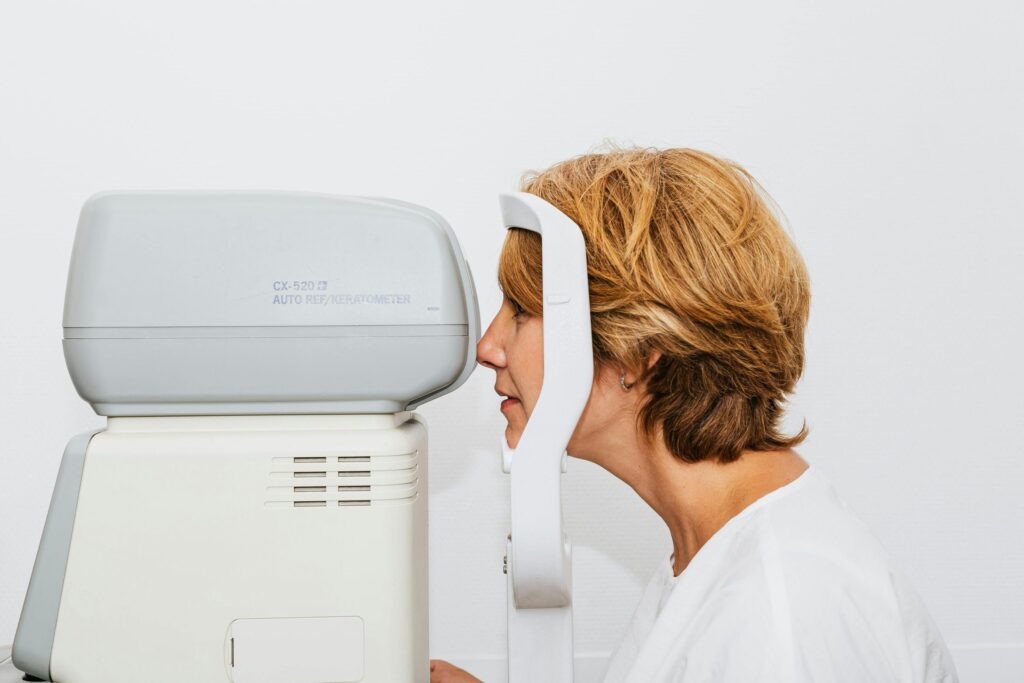
Determining LASIK candidacy involves a careful assessment of your eye health, lifestyle, and overall medical background. At LaserVue Eye Center, every patient undergoes a thorough consultation and diagnostic evaluation.
Ideal LASIK candidates typically meet the following criteria:
- Are at least 18 years old with stable vision for one year.
- Have healthy corneas without thinning, scarring, or irregular shape.
- Have a prescription within the LASIK treatment range for nearsightedness, farsightedness, or astigmatism.
- Do not suffer from severe dry eyes or uncontrolled medical conditions.
- Are not pregnant or nursing at the time of surgery.
Each of these factors plays a crucial role in ensuring optimal outcomes and minimizing risk. LASIK is a highly precise procedure, and your eligibility depends on a combination of personal and clinical elements.
Common Factors That May Disqualify LASIK Candidates
While LASIK offers remarkable benefits, not every individual is an ideal candidate. Certain medical and ocular conditions may prevent safe or effective results.
Factors that can affect eligibility include:
- Thin or irregular corneas that cannot withstand reshaping.
- Active eye infections or inflammation, such as conjunctivitis or keratitis.
- Advanced glaucoma or cataracts.
- Autoimmune diseases that slow healing, such as lupus or rheumatoid arthritis.
- Significant prescription changes within the last year.
At LaserVue Eye Center, we prioritize safety above all else. If LASIK is not suitable for you, alternative vision correction options, such as PRK, EVO ICL, or Refractive Lens Exchange (RLE) may be recommended.
Why Age and Prescription Stability Matter
Your age and prescription stability are critical in determining LASIK success. The FDA recommends patients be at least 18 years old, with a consistent prescription for at least 12 months. Younger patients often experience changes in vision that could affect long-term results.
For older adults, other vision issues such as presbyopia or cataracts may influence treatment choices. At LaserVue Eye Center, we evaluate each patient’s age-related factors and visual goals to recommend the most effective procedure.
Eye Health and Corneal Thickness: Two Key Factors
LASIK involves reshaping the cornea using an advanced laser system. Therefore, corneal thickness and overall eye health are vital for safety.
If the cornea is too thin, there may not be enough tissue to remove safely. This could increase the risk of complications, such as irregular healing or vision distortions.
Using WaveLight® and Contoura® Vision technology, we create an accurate 3D map of your cornea to ensure precise reshaping and optimal visual clarity.
What Happens If You Are Not a Good Candidate for LASIK?
If LASIK is not right for you, alternative vision correction options are available. Our specialists offer a range of advanced procedures designed to meet diverse vision needs.
Alternatives may include:
- PRK (Photorefractive Keratectomy): Ideal for patients with thin corneas or irregular surfaces.
- EVO ICL (Implantable Collamer Lens): A reversible procedure suitable for high prescriptions.
- Refractive Lens Exchange (RLE): Recommended for older adults experiencing presbyopia.
Each alternative offers safe, proven results and can be customized to deliver the freedom of clear vision.
The Recovery Process and Long-Term Results
LASIK recovery is generally quick, with most patients noticing improved vision within 24 hours. Minor dryness, sensitivity to light, or mild discomfort may occur temporarily.
Following post-operative care instructions is essential for healing. Patients should avoid rubbing their eyes, wearing makeup, or swimming for a few days after surgery.
Long-term results are outstanding, with studies showing over 96% of patients achieve 20/20 vision or better after LASIK. Regular follow-ups ensure continued eye health and visual stability.
Take the First Step Toward a Clear Vision!
If you are wondering whether you are a good candidate for LASIK, the best way to find out is through a comprehensive consultation at LaserVue Eye Center.
Our experienced surgeons will evaluate your eyes, explain your options, and design a customized treatment plan tailored to your vision goals.
Take control of your vision today. Schedule your LASIK evaluation and discover the freedom of life without glasses or contacts.
Frequently Asked Questions
1. How do I know if I am a good candidate for LASIK?
You may be a good candidate for LASIK if you are over 18 and have had stable vision for at least one year. Candidates should have healthy eyes with no active infections or severe dryness. A thorough eye examination is necessary to confirm eligibility for safe and effective results.
2. What factors determine LASIK eligibility?
LASIK eligibility depends on corneal thickness, prescription stability, and overall eye health. Individuals with thin corneas, irregular astigmatism, or certain medical conditions may not qualify. An experienced ophthalmologist uses detailed tests to assess these factors before recommending LASIK.
3. Can age affect LASIK candidacy?
Yes, age plays an important role in determining LASIK suitability. The procedure is generally recommended for adults between 18 and 50 years old. Younger patients may still experience vision changes, while older individuals might benefit more from alternative vision correction procedures.
4. What eye conditions can disqualify someone from LASIK?
Certain eye conditions, such as keratoconus, glaucoma, or cataracts, can disqualify a patient from LASIK. Severe dry eye or corneal scarring also affects eligibility. A comprehensive eye exam helps identify whether these issues may interfere with healing or visual outcomes.
5. Why is corneal thickness important for LASIK?
Corneal thickness determines how much tissue can be safely reshaped during LASIK. Thin corneas may increase the risk of complications, such as corneal ectasia. Measuring corneal thickness ensures the surgery is both effective and secure.
6. How does stable vision impact LASIK success?
Stable vision means your prescription has not changed significantly within the past 12 months. Performing LASIK on unstable vision can lead to inaccurate correction and regression. Ensuring prescription stability helps achieve long-lasting and reliable visual results.
7. Can I get LASIK if I have dry eyes?
Mild dry eye can often be managed before LASIK, but severe cases may prevent eligibility. Dry eyes can interfere with healing and cause post-surgery discomfort. An eye specialist will assess tear production and recommend treatments if necessary.
8. What medical conditions might affect LASIK candidacy?
Autoimmune disorders, uncontrolled diabetes, and certain medications can affect healing after LASIK. These conditions may slow recovery or increase the risk of inflammation. A full medical review helps determine whether surgery is safe and appropriate.
9. What alternatives are available if I’m not a good candidate for LASIK?
Alternatives include PRK, EVO ICL, or Refractive Lens Exchange (RLE). These procedures can correct similar vision issues for patients not suited for LASIK. Your surgeon will recommend the best option based on your eye health and vision goals.
10. How can I find out if LASIK is right for me?
The best way to determine candidacy is by scheduling a professional LASIK consultation. A specialist will perform advanced diagnostic tests to evaluate your eyes and discuss treatment options. Personalized assessment ensures a safe and successful vision correction experience.