


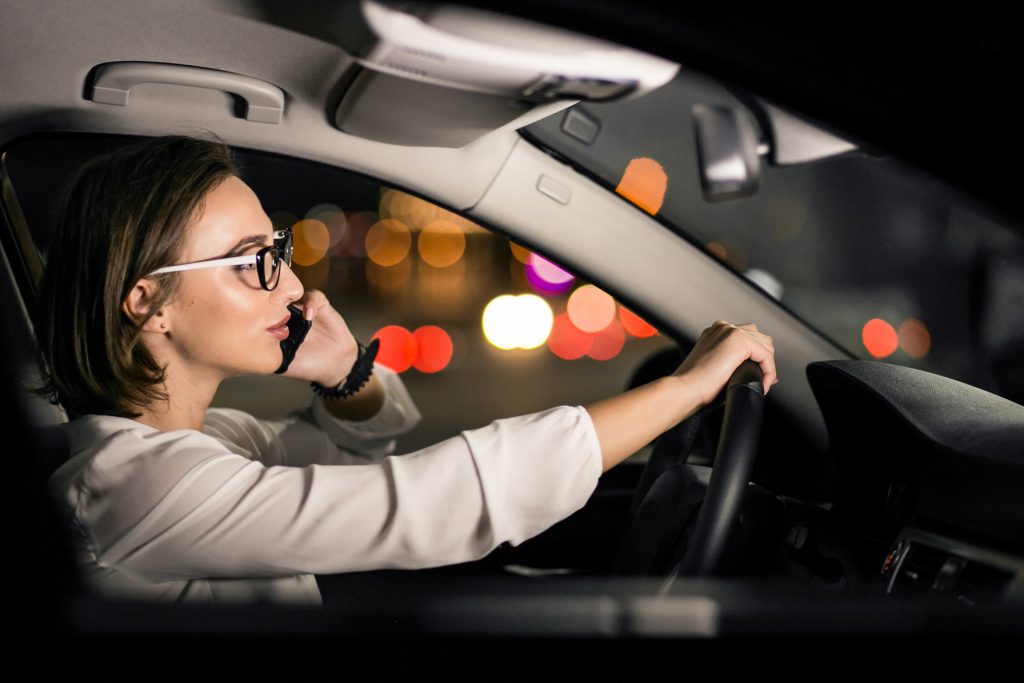
For many people considering LASIK, night vision is a major concern. Questions about halos, glare, and driving at night often come up early in the decision-making process. And honestly, they should. Your ability to see clearly in low-light conditions plays a huge role in daily life, especially if you drive frequently or work late hours.
At LaserVue Eye Center, this topic comes up in almost every consultation. With over 25 years of experience and more than 40,000 procedures performed, the team understands both the benefits and the concerns patients bring to the table. The good news? Advances in LASIK technology have significantly improved night vision outcomes—but there are still important details you should understand before moving forward.
Understanding LASIK and How It Affects Vision
LASIK (Laser-Assisted In Situ Keratomileusis) reshapes the cornea to correct refractive errors like nearsightedness, farsightedness, and astigmatism.
During the procedure, a laser adjusts how light enters your eye so it focuses correctly on the retina. This improves clarity and reduces reliance on glasses or contacts.
However, because the cornea plays a critical role in how light is processed, any changes to its shape can temporarily affect how you see at night.
Why Night Vision Is a Concern After LASIK
Night vision issues after LASIK typically involve visual disturbances such as glare, halos, or starbursts around lights.
These effects are more noticeable in low-light environments because your pupils naturally dilate in the dark. When that happens, more light enters the eye, and any irregularities in the corneal surface can become more apparent.
According to the American Academy of Ophthalmology (AAO), most patients experience mild night vision symptoms shortly after surgery, but these usually improve within weeks to months as the eyes heal.
Common Night Vision Side Effects
Let’s talk about what patients actually notice.
Glare
Glare often appears as excessive brightness from headlights or streetlights. It can make nighttime driving feel uncomfortable at first.
Halos
Halos are glowing rings that form around light sources. They’re especially noticeable when looking at traffic lights or lamps.
Starbursts
Starbursts create a streaking effect from lights, almost like rays extending outward.
These effects sound concerning, but for most patients, they are temporary and gradually fade as the eyes adjust.
How Modern LASIK Technology Reduces Night Vision Issues
This is where things have changed significantly over the years. Older LASIK techniques were more likely to cause night vision disturbances. Today, advanced technologies like wavefront-guided LASIK allow for highly customized treatments.
At LaserVue Eye Center, these advanced systems map the unique structure of your eye with incredible precision. This reduces irregularities and improves overall visual quality, especially in low-light conditions.
Who Is More Likely to Experience Night Vision Issues
Not everyone has the same risk. Certain factors can increase the likelihood of experiencing night vision disturbances.
Larger Pupils
People with naturally larger pupils may notice more glare or halos in low-light conditions.
Higher Prescriptions
Stronger prescriptions often require more corneal reshaping, which can slightly increase the chance of visual side effects.
Pre-existing Eye Conditions
Dry eye or other conditions can affect healing and visual clarity after surgery.
A thorough pre-surgical evaluation helps identify these factors and determine whether LASIK is the right choice.
Recovery and Adjustment Period
Here’s something many people don’t realize—your vision doesn’t fully stabilize overnight.
In the first few days after LASIK, your eyes are still healing. During this time, night vision symptoms may be more noticeable.
Over the following weeks, the cornea smooths out, and your brain adapts to the new way your eyes process light. Most patients experience steady improvement within 3 to 6 months.
Tips to Manage Night Vision After LASIK
If you do experience mild night vision issues, there are ways to manage them during recovery.
Practical Adjustments
- Allow time for your eyes to adapt before driving at night
- Use anti-reflective coatings on glasses if temporarily needed
- Keep your eyes well-lubricated with recommended drops
These small steps can make a noticeable difference while your vision stabilizes.
Final Thoughts
Night vision concerns are valid, but they’re also manageable and often temporary. With today’s advanced LASIK technology and experienced providers, the risk of long-term issues is significantly lower than it used to be. Understanding what to expect helps you make a more confident, informed decision.
And when it comes to something as important as your vision, that clarity matters just as much as the results.
We Deliver Clear Vision, Day and Night.
Still wondering if LASIK will affect how you see at night? That’s a smart question—and one worth getting answered properly.
At LaserVue Eye Center, you’re not just getting a procedure. You’re getting a personalized evaluation, advanced technology, and a team that’s handled over 40,000 successful cases.
If clear vision without compromise sounds like something you’ve been putting off, now might be the right time to explore it. Schedule your consultation and see what your vision could actually look like—day and night.
Frequently Asked Questions
1. Does LASIK permanently affect night vision?
LASIK does not usually cause permanent night vision problems for most patients. In fact, many people notice improvement in overall clarity after healing. However, temporary effects like halos or glare can occur during recovery. These symptoms typically fade over time as the eyes adjust.
2. How long do night vision issues last after LASIK?
Night vision disturbances often appear within the first few days after surgery. These effects gradually improve over several weeks as healing progresses. In most cases, patients notice significant improvement within three months. However, full stabilization may take up to six months.
3. Can LASIK make night driving difficult?
Some patients may find night driving slightly challenging at first. This is usually due to glare or halos from headlights. However, these effects are typically temporary and improve with time. As the eyes heal, visual clarity increases.
4. Are night vision problems common after LASIK?
Night vision issues are relatively common immediately after LASIK. However, they are usually mild and temporary. Advances in technology have significantly reduced their occurrence. Most patients experience improvement as healing progresses.
5. Who is at higher risk for night vision side effects?
Individuals with larger pupils may be more prone to disturbances in night vision. Additionally, those with higher prescriptions may experience stronger effects. Pre-existing conditions, such as dry eye, can also play a role. However, proper screening helps identify these risks early.
6. Can modern LASIK reduce night vision problems?
Yes, modern LASIK techniques are designed to minimize visual side effects. Wavefront-guided technology allows for more precise corrections. This improves how light is processed by the eye. As a result, night-vision outcomes are significantly better than with older methods.
7. Is there anything I can do to improve night vision after LASIK?
Following post-operative care instructions is crucial for recovery. Using prescribed eye drops helps maintain proper hydration. Additionally, avoiding eye strain can support healing. Over time, your vision will naturally stabilize.
8. Will halos and glare completely go away?
In most cases, halos and glare gradually diminish over time. The brain adapts to the new visual patterns created by LASIK. Additionally, the cornea continues to heal and smooth out. However, mild effects may persist in rare cases.
9. How does pupil size affect night vision after LASIK?
Larger pupils allow more light into the eye in low-light conditions. This can increase the likelihood of noticing visual disturbances. However, modern LASIK techniques account for pupil size during planning. This reduces potential side effects.
10. Is LASIK still worth it if I’m concerned about night vision?
For most patients, the benefits of LASIK outweigh the temporary side effects. Improved daytime vision and reduced dependence on glasses are major advantages. Additionally, night vision issues are usually short-lived. With modern technology, outcomes continue to improve.