

What if cataract surgery didn’t just restore your vision—but actually upgraded it? That’s the quiet shift happening right now across the San Francisco Bay Area. Cataract surgery used to be about fixing cloudy vision. Today, with premium intraocular lenses (IOLs), it’s about redefining how you see the world—near, far, and everything in between.
If you’ve been told you need cataract surgery, or you’re starting to notice that dull, foggy blur creeping in, you’re probably wondering: What are my best options? Let’s walk through it in a way that actually makes sense—no overwhelming jargon, just clear insight.
What Are Premium IOLs?
During cataract surgery, your eye’s natural lens is replaced with an artificial one called an intraocular lens (IOL). Standard lenses restore basic vision, usually at one distance. Premium IOLs, on the other hand, are designed to do more. They can correct multiple vision issues at once—like nearsightedness, farsightedness, and even astigmatism.
According to the American Academy of Ophthalmology (AAO), advanced IOL technologies can significantly reduce dependence on glasses after surgery.
Types of Premium IOLs Available in San Francisco
San Francisco is known for cutting-edge healthcare, and vision correction is no exception. Here’s what you’ll typically find:
1. Multifocal IOLs
These lenses work a bit like progressive glasses. They allow you to see at multiple distances—near, intermediate, and far. They’re a strong choice if you want to read your phone, work on a laptop, and drive without constantly switching glasses.
2. Toric IOLs
If you have astigmatism, this is where toric lenses come in. They’re specifically designed to correct irregular curvature in the eye. Without correcting astigmatism, vision after surgery can still feel slightly off, even if the cataract is gone.
3. Extended Depth of Focus (EDOF) IOLs
These lenses create a continuous range of vision, especially strong in distance and intermediate zones. They tend to produce fewer visual side effects, such as halos, than multifocal lenses, which some patients really appreciate.
4. Accommodating IOLs
These lenses attempt to mimic the eye’s natural focusing ability by shifting position as your eye muscles move. While not as widely used as other premium options, they still offer a more dynamic visual experience than standard lenses.
Why Patients in San Francisco Are Choosing Premium IOLs
Whether you’re commuting, working on screens, or enjoying outdoor views, your vision needs to keep up.
Reduced Dependence on Glasses
This is the big one. Many patients find they need glasses only briefly after surgery. Not zero dependence in every case—but significantly less.
Better Quality of Vision
It’s not just about seeing clearly—it’s about seeing comfortably. Premium IOLs can improve contrast sensitivity and depth perception. That matters when you’re driving at night or navigating busy streets.
Long-Term Value
While premium lenses cost more upfront, they often reduce future expenses on glasses, contacts, and prescriptions. Over time, many patients find the investment balances out.
What to Expect During the Process
Consultation Comes First
Everything starts with a detailed eye exam. Measurements are taken to determine the right lens for your eye shape and lifestyle. This step is more personalized than most people expect.
The Surgery Itself
Cataract surgery is one of the most commonly performed procedures in the United States. According to the National Eye Institute, it’s also one of the safest, with a high success rate. The procedure usually takes less than 30 minutes per eye.
Recovery and Results
Most patients notice improved vision within a few days. Full adjustment can take a few weeks. Some people experience minor visual effects early on, such as halos or glare, especially with certain premium lenses. These side effects are usually temporary and tend to fade within several weeks as your eyes adapt. If halos or glare persist beyond this period or cause concern, your surgeon can recommend solutions or adjustments to help improve your comfort.
Are Premium IOLs Worth It?
Here’s the honest answer: it depends on your expectations. If your goal is simply to remove the cataract and restore basic vision, a standard lens may be enough. But before you decide, consider a few important questions:
– How important is it to you to reduce your need for glasses after surgery?
– Do you often do activities that require sharp vision at different distances, like using a computer, reading, or driving?
– Do you have astigmatism or other existing vision conditions?
– What is your budget or insurance coverage for out-of-pocket costs?
– Are you especially sensitive to issues like glare, halos, or night driving?
Thinking through these factors with your eye doctor can help you weigh the pros and cons and make the best choice for your lifestyle.
But if you’re thinking bigger—less reliance on glasses, more visual freedom—premium IOLs are worth serious consideration. Many ophthalmologists in the Bay Area recommend them for patients who prioritize lifestyle convenience.
Why Experience Matters
Choosing the right lens is only half the equation. The skill and experience of your surgeon play a major role in your outcome. Wherever you go, it’s a good idea to ask about your surgeon’s experience, how many procedures they have performed, and what results their patients achieve. Comparing surgeons and centers helps you make a confident, informed decision. That’s where LaserVue Eye Center stands out.
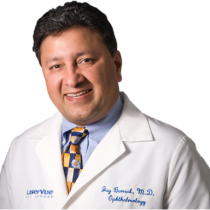
With over 25 years of experience and more than 40,000 successful procedures, they’ve built a reputation across the San Francisco Bay Area for precision and patient care.
Our approach is simple: combine advanced technology with real human attention. You’re not just another appointment on the calendar.
A More Personal Perspective
Talk to anyone who’s gone through modern cataract surgery with premium IOLs, and you’ll hear a similar story. They didn’t just “fix” their vision—they forgot what it felt like to struggle with it.
Reading menus without squinting. Driving at dusk without hesitation. Seeing San Francisco’s skyline in crisp detail again. It’s those small moments that add up.
Ready to See the Difference for Yourself?
If you’re exploring premium IOLs in San Francisco, don’t settle for guesswork or generic advice.Schedule a consultation with LaserVue Eye Center to get a personalized plan tailored to your eyes, lifestyle, and goals.
Call today or book online to take the first step toward clearer, sharper, more effortless vision.
Frequently Asked Questions
1. How do I know if I am a good candidate for premium IOLs in San Francisco?
The best way to know is through a detailed eye exam with an ophthalmologist. They will evaluate your eye health, vision needs, and lifestyle habits. Conditions like astigmatism or presbyopia often make premium lenses more beneficial. Your daily activities also play a big role in determining the right option. A personalized consultation will give you the clearest answer.
2. What is the difference between standard lenses and premium IOLs in cataract surgery?
Standard lenses typically correct vision at one distance, usually far. Premium IOLs are designed to address multiple vision issues at once. This can include near vision, intermediate tasks, and astigmatism correction. As a result, many patients rely less on glasses after surgery. The choice depends on how much visual independence you want.
3. Are premium IOLs in San Francisco covered by insurance?
Most insurance plans, including Medicare, cover standard cataract surgery. However, premium IOLs are considered an elective upgrade. This means there is usually an additional out-of-pocket cost. The exact amount varies depending on the lens type and provider. It is always best to review pricing details during your consultation.
4. How long does it take to recover from cataract surgery with premium IOLs?
Recovery is generally quick and manageable for most patients. Many people notice improved vision within a few days after surgery. Full visual adjustment can take several weeks as your eyes adapt. Some mild side effects, like glare or halos, may appear initially. These effects often improve over time.
5. Can premium IOLs correct astigmatism effectively?
Yes, certain premium lenses, such as toric IOLs, are specifically designed for astigmatism. They help reshape how light enters the eye, improving clarity. Without correction, astigmatism can still cause blurry vision after surgery. Choosing the right lens can significantly improve outcomes. Your doctor will recommend the best option based on your measurements.
6. Will I still need glasses after getting premium IOLs?
It depends on the type of lens you choose and your individual vision needs. Many patients experience a significant reduction in their dependence on glasses. However, some may still use them for specific tasks, such as reading fine print. Premium lenses aim to increase visual freedom, not always eliminate glasses entirely. Expectations should be discussed before surgery.
7. Are there any risks associated with premium IOLs?
As with any surgical procedure, there are risks involved. These may include glare, halos, or reduced contrast sensitivity in certain lighting conditions. However, serious complications are rare when performed by an experienced surgeon. Most side effects are temporary and improve over time. A thorough consultation helps minimize risks.
8. How do I choose the right type of premium IOL?
Choosing the right lens depends on your lifestyle and vision priorities. For example, frequent readers may prefer multifocal lenses. Those concerned about night driving might lean toward EDOF options. Your surgeon will guide you based on detailed eye measurements. The goal is to match the lens to how you actually live your life.
9. Is cataract surgery with premium IOLs safe?
Cataract surgery is widely regarded as one of the safest surgical procedures. Advances in technology have made outcomes more predictable than ever. Premium IOLs follow the same surgical process with added customization. When performed by skilled professionals, complication rates remain low. Safety and precision are key priorities throughout the procedure.
10. How soon should I consider cataract surgery if my vision is getting worse?
If your vision starts interfering with daily activities, it may be time to consider surgery. This includes difficulty reading, driving, or recognizing faces clearly. Waiting too long can make cataracts harder to treat. Early evaluation allows for better planning and lens selection. A consultation will help determine the right timing for you.