


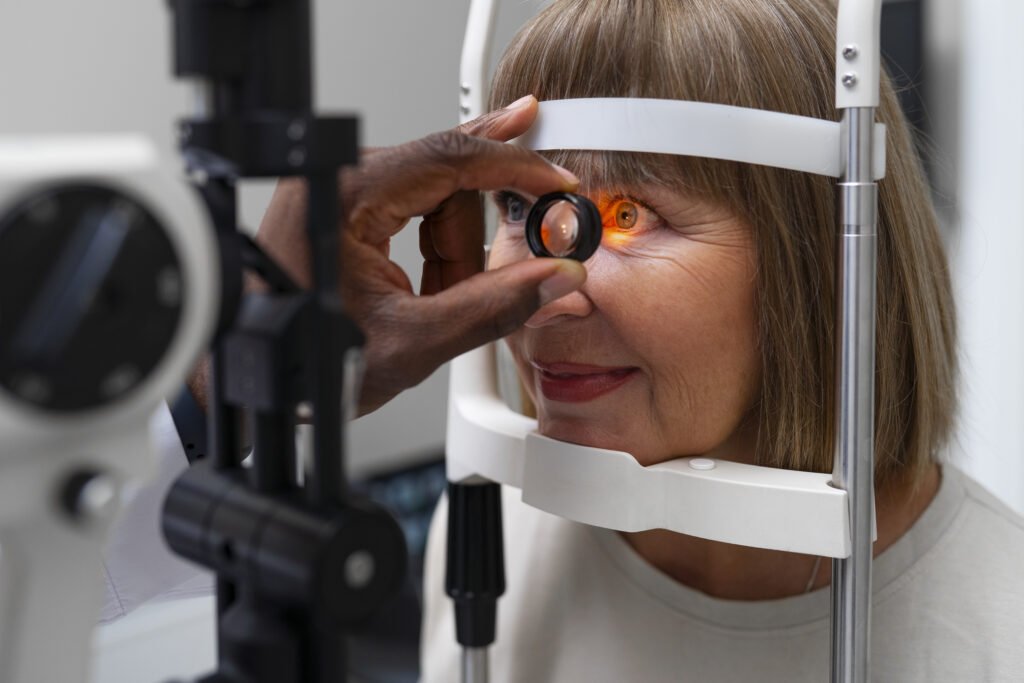
Vision correction technology has evolved dramatically over the years. One of the most advanced innovations is Clear Lens Replacement Surgery (CLR), also known as Refractive Lens Exchange (RLE). This procedure offers a long-term solution for patients who want to reduce or eliminate their dependence on glasses or contact lenses. It’s especially beneficial for those who are not suitable candidates for LASIK or other laser-based surgeries.
LaserVue Eye Center understand the importance of clear, comfortable vision. With more than 25 years of experience and over 40,000 successful procedures, our team specializes in delivering advanced solutions that meet your visual needs. In this article, we’ll explore what Clear Lens Replacement Surgery is, how it works, and what to expect from this life-changing procedure.
Understanding Clear Lens Replacement Surgery
Clear Lens Replacement (CLR) is a surgical vision correction technique that replaces the eye’s natural lens with an artificial intraocular lens (IOL). Unlike cataract surgery, CLR is performed before a cataract develops. It is typically recommended for patients over 40 who want to correct nearsightedness, farsightedness, or presbyopia.
The procedure works by removing the eye’s natural lens and inserting a premium artificial lens that focuses light precisely onto the retina. According to the American Academy of Ophthalmology (AAO), modern IOLs provide excellent clarity and long-term stability. Because the new lens cannot develop cataracts, the results are permanent and maintenance-free.
Who Is a Candidate for Clear Lens Replacement?
Ideal candidates are adults over 40 who are experiencing presbyopia or early vision changes associated with aging. This surgery is suitable for individuals who may not qualify for LASIK due to thin corneas or high prescriptions. Patients seeking permanent vision correction without the future risk of cataracts often benefit from CLR.
A comprehensive eye evaluation determines eligibility for the procedure. Your ophthalmologist will assess eye health, corneal structure, and vision goals to recommend the best treatment approach. Those in good overall health with realistic expectations typically achieve excellent outcomes.
The Procedure Explained
Clear Lens Replacement surgery is typically completed within 15 to 30 minutes per eye. Before surgery, numbing drops are applied to ensure a painless experience. A small incision is made to remove the natural lens, which is then replaced with a custom-selected intraocular lens (IOL).
The procedure uses advanced ultrasound or laser technology for the precise removal of the natural lens. No stitches are usually required, as the incision heals naturally. Most patients notice immediate improvements in their vision after the procedure.
Types of Intraocular Lenses (IOLs)
Modern IOL technology offers various options to suit different vision goals. Monofocal IOLs provide clear vision at a single distance, while multifocal IOLs offer both near and distance vision correction. Toric IOLs correct astigmatism, and accommodating IOLs adjust to focus naturally at varying distances.
Your surgeon will recommend the lens that best fits your lifestyle and visual needs. These lenses are made from advanced biocompatible materials designed for long-term clarity and comfort. The right choice of IOL ensures sharper, more natural vision after surgery.
Benefits of Clear Lens Replacement Surgery
One of the main advantages of the CLR is its ability to correct a wide range of refractive errors. It eliminates the need for future cataract surgery since the artificial lens does not cloud over time. Patients enjoy sharper vision, reduced glare, and improved night driving capabilities.
The results are long-lasting and highly predictable. According to the National Eye Institute (NEI), over 95% of patients experience significant improvement in their quality of vision. Many individuals report newfound visual freedom without glasses or contact lenses.
Safety and Effectiveness
Clear Lens Replacement is considered a safe and effective procedure when performed by experienced surgeons. Complication rates are very low, and most patients recover quickly. The advanced IOL technology used today provides consistent and stable visual outcomes.
The procedure has a strong safety profile backed by decades of clinical data. Since it replaces the natural lens, it eliminates the possibility of future cataract formation. Regular post-operative care ensures optimal healing and long-term visual success.
Recovery After Surgery
Recovery from Clear Lens Replacement is generally fast and comfortable. Patients typically return to normal activities within 24 to 48 hours. Mild sensitivity to light or dryness may occur but usually resolves within a few days.
Prescribed eye drops help prevent infection and promote smooth healing. Follow-up visits ensure the new lens remains perfectly positioned. Vision often stabilizes within one week, providing lasting clarity and comfort.
Comparing CLR to LASIK and Cataract Surgery
While LASIK reshapes the cornea to correct vision, CLR replaces the natural lens entirely. This makes it ideal for patients with high prescriptions or age-related vision changes. Unlike cataract surgery, which removes a cloudy lens, CLR is performed before cataracts form.
The results of CLR are permanent and not subject to regression. LASIK is typically best for younger adults, while CLR serves as a lifelong vision solution for older patients. Both surgeries deliver exceptional results when matched appropriately to the patient’s needs.
The Future of Vision Correction
The rise of Clear Lens Replacement surgery marks a new era in refractive care. With its advanced technology and predictable outcomes, it offers a personalized approach to lifelong vision correction. As ophthalmic innovations continue, procedures like CLR will become even more precise and accessible.
Ongoing advancements in intraocular lens design are enhancing the patient experience. These innovations promise even greater customization and visual outcomes. The future of vision correction is brighter, clearer, and more individualized than ever.
Ready to See the World More Clearly?
Experience the life-changing results of Clear Lens Replacement Surgery at LaserVue Eye Center, proudly serving the San Francisco Bay Area. With over 25 years of experience and 40,000 successful procedures, our skilled surgeons provide safe, precise, and personalized care. Schedule your consultation today by calling. Discover the freedom of crystal-clear vision—without glasses, contacts, or cataracts.
Frequently Asked Questions
1. What is Clear Lens Replacement Surgery?
Clear Lens Replacement, also known as Refractive Lens Exchange, replaces the eye’s natural lens with an artificial one. It corrects nearsightedness, farsightedness, and presbyopia. The procedure prevents cataract formation later in life. Performed by ophthalmologists, it offers permanent vision improvement. Patients experience sharp, stable, and natural vision after recovery.
2. How is Clear Lens Replacement different from LASIK?
LASIK reshapes the cornea, while CLR replaces the natural lens inside the eye. CLR is ideal for patients with thin corneas or high prescriptions. It also prevents future cataract development. Unlike LASIK, CLR results are permanent and non-regressive. Patients enjoy consistent visual clarity at all distances.
3. Who is eligible for Clear Lens Replacement Surgery?
Ideal candidates are adults over 40 with stable prescriptions and healthy eyes. Those unsuitable for LASIK often qualify for CLR. It benefits patients with presbyopia or early lens changes. A comprehensive eye exam confirms eligibility. Overall health and visual goals determine final candidacy.
4. Is Clear Lens Replacement safe?
Yes, the procedure has an excellent safety record worldwide. It’s similar to cataract surgery, one of the most performed procedures globally. Complications are rare when done by experienced surgeons. The artificial lens is made from durable, biocompatible material. Patients typically enjoy fast recovery and long-term results.
5. What type of lenses are used in CLR surgery?
Surgeons use premium intraocular lenses designed to match vision needs. Options include monofocal, multifocal, toric, and accommodating lenses. Each type addresses different focusing requirements. Your surgeon selects the best lens based on lifestyle and prescription. These lenses provide exceptional clarity and UV protection.
6. How long does the surgery take?
The procedure typically takes 15 to 30 minutes per eye. Patients are awake but receive numbing drops for comfort. The lens is inserted through a tiny incision that heals naturally. No stitches are required. Most patients notice clearer vision almost immediately.
7. What is recovery like after Clear Lens Replacement?
Recovery is usually quick and comfortable. Mild irritation or light sensitivity may occur initially. Vision often stabilizes within a few days. Eye drops help prevent infection and reduce inflammation. Patients typically resume daily activities within 24 to 48 hours.
8. How long do the results last?
Results are permanent because the artificial lens doesn’t degrade over time. Unlike natural lenses, it never develops cataracts. Vision remains stable for decades. Regular eye exams help maintain optimal health. Most patients enjoy lifelong clarity without corrective lenses.
9. Are there risks associated with Clear Lens Replacement?
Risks are minimal but can include temporary dryness or light sensitivity. Serious complications are extremely rare. Choosing an experienced surgeon minimizes potential risks. Following aftercare instructions ensures smooth healing. Most patients experience excellent, lasting results.
10. How much does Clear Lens Replacement Surgery cost?
Costs vary depending on lens type and surgical technology. Premium multifocal and toric lenses may increase the price. Insurance usually doesn’t cover elective refractive procedures. However, financing options make treatment more accessible. The investment provides long-term freedom from glasses and contact lenses.