


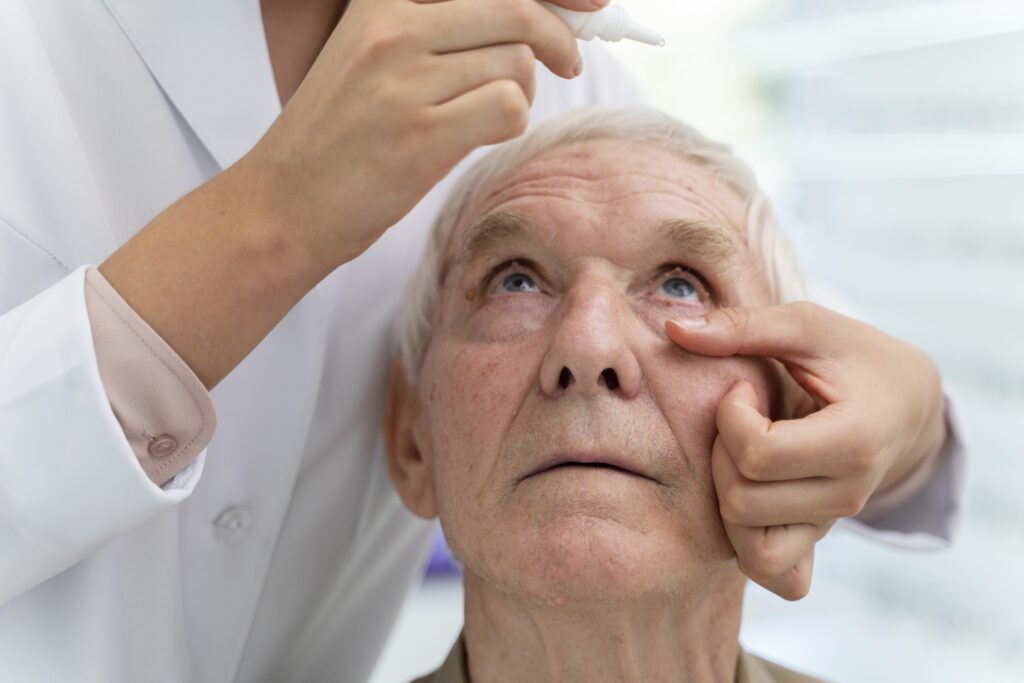
Cataracts are among the most common age-related eye conditions worldwide, affecting millions of people each year. More than half of Americans will have cataracts by age 75. While cataract surgery is safe and effective, preventing or delaying cataract development is far better for long-term vision health.
Maintaining healthy eyes requires awareness, lifestyle changes, and regular medical care. In this article, we explore the most effective, evidence-based strategies to minimize cataract development and preserve your vision for years to come.
Understanding What Causes Cataracts
Cataracts occur when proteins in the eye’s lens clump together, clouding vision. This condition develops gradually and often begins in midlife. Common risk factors include aging, UV exposure, smoking, diabetes, and certain medications such as corticosteroids.
Oxidative stress from free radicals significantly contributes to cataract formation. The good news is that adopting a few key habits can slow or even prevent this process.
1. Protect Your Eyes from Ultraviolet (UV) Light
Long-term exposure to ultraviolet light is a major contributor to cataract formation. The American Academy of Ophthalmology (AAO) recommends wearing sunglasses that block 100% of UVA and UVB rays. A wide-brimmed hat also offers additional protection from direct sunlight.
Consistent UV protection reduces oxidative stress on the lens, keeping it clear and healthy. Even on cloudy days, UV rays can cause damage, so daily eye protection is essential.
2. Eat a Nutrient-Rich, Antioxidant Diet
Antioxidants such as vitamin C, vitamin E, and lutein may slow cataract progression. A diet rich in fruits, vegetables, nuts, and leafy greens supports overall eye health.
Key foods include spinach, kale, citrus fruits, almonds, and carrots. These nutrients help neutralize free radicals that damage lens proteins. Maintaining a balanced diet is one of the simplest ways to naturally reduce cataract risk.
3. Quit Smoking to Protect Your Vision
Smoking doubles the risk of cataract development. Tobacco smoke increases oxidative stress and reduces antioxidants in the body.
Quitting smoking improves circulation, boosts oxygen supply to the eyes, and enhances lens health. Over time, your body repairs much of the damage caused by smoking, including within delicate eye tissues.
4. Manage Diabetes and Blood Sugar Levels
High blood sugar levels can accelerate cataract formation by increasing sugar concentration in the eye’s lens. Poorly managed diabetes is a leading risk factor for early-onset cataracts.
Maintaining healthy glucose levels through diet, exercise, and medication minimizes lens damage. Regular check-ups with both your primary physician and ophthalmologist are essential for long-term eye protection.
5. Maintain a Healthy Weight
Obesity increases the risk of diabetes and hypertension, both linked to cataract development. Maintaining a healthy body weight helps regulate metabolism and reduces oxidative stress.
Regular exercise, such as walking or swimming, promotes circulation and oxygen flow to eye tissues. A balanced lifestyle supports not just eye health but also overall well-being.
6. Reduce Alcohol Consumption
Excessive alcohol intake contributes to oxidative damage and depletes antioxidants that protect the eye lens. Moderate to heavy drinking is associated with higher cataract risk.
Limiting alcohol consumption helps maintain hydration and nutrient balance in the eyes. A responsible approach to drinking can make a meaningful difference in long-term vision health.
7. Schedule Regular Comprehensive Eye Exams
Early detection is key to preventing vision loss from cataracts. According to the American Optometric Association (AOA), adults over 40 should schedule an eye exam every one to two years.
Routine exams help your eye doctor detect changes in lens clarity before symptoms appear. Regular monitoring ensures timely intervention and preserves a clear vision.
8. Use Proper Eye Protection at Work and Home
Injuries to the eye can accelerate cataract development, especially if caused by trauma or exposure to chemicals. Safety goggles are crucial for construction, manufacturing, and laboratory work.
Eye protection as a key preventive measure. Even during household chores involving cleaning agents, eye safety should not be overlooked.
9. Limit Exposure to Radiation and Digital Eye Strain
Prolonged exposure to certain radiation sources and blue light may contribute to eye fatigue and oxidative stress. While blue light doesn’t directly cause cataracts, it can worsen visual discomfort and strain.
Use blue light filters on digital devices and take regular breaks to rest your eyes. The 20-20-20 rule; looking at something 20 feet away for 20 seconds every 20 minutes, helps prevent eye fatigue.
10. Avoid Long-Term Use of Steroid Medications
Extended use of corticosteroids, whether oral or topical, has been linked to cataract formation. Use these medications only as prescribed and under close medical supervision.
If long-term steroid use is unavoidable, regular eye exams are crucial. Your ophthalmologist can monitor lens clarity and suggest preventive care strategies when necessary.
Final Thoughts
Cataract prevention is possible with knowledge, discipline, and regular care. Simple habits like wearing UV-blocking sunglasses, maintaining a balanced diet, and scheduling annual eye exams can significantly reduce your risk.
Your eyes deserve consistent attention, just like the rest of your health. Take proactive steps now to preserve your vision and enjoy the freedom of clear sight for years to come.
Take the First Step Toward Lifelong Vision Health
Your eyes are priceless. Protect them today. Schedule a comprehensive eye exam with a trusted ophthalmologist and discover personalized strategies to minimize cataract development. Prevention starts with action. See the world clearly tomorrow by caring for your eyes today.
Frequently Asked Questions
1. What are the main causes of cataracts?
Cataracts develop due to age-related lens changes and oxidative stress. Other factors include UV exposure, smoking, diabetes, and certain medications. Genetics may also play a role. Preventive care and regular eye exams reduce your overall risk.
2. Can cataracts be prevented completely?
Cataracts cannot always be completely prevented, but their progression can be delayed. Healthy habits, such as UV protection and balanced nutrition, make a big difference. Regular eye exams ensure early detection of lens changes. Pevention starts with consistent care and awareness.
3. Does diet play a role in cataract prevention?
Yes, nutrition is crucial in maintaining lens health. Diets rich in vitamins C and E, lutein, and zeaxanthin protect against oxidative stress. Leafy greens, citrus fruits, and colorful vegetables provide essential antioxidants. Antioxidant-rich diets for long-term vision protection.
4. How does smoking affect cataract formation?
Smoking produces harmful free radicals that damage lens proteins. Smokers are twice as likely to develop cataracts. Quitting smoking restores antioxidant balance and improves circulation. It’s one of the most effective preventive steps.
5. How often should I get an eye exam?
The American Optometric Association recommends an exam every one to two years for adults over 40. Those with diabetes or a family history of eye disease should go annually. Regular exams detect early cataract formation before symptoms worsen. Early detection leads to better outcomes and preserved vision.
6. Can wearing sunglasses really prevent cataracts?
Yes, sunglasses that block 100% of UVA and UVB rays protect the eyes from UV damage. The American Academy of Ophthalmology emphasizes daily use of UV protection. Even cloudy days expose eyes to harmful rays. Consistent protection reduces long-term cataract risk.
7. Does diabetes increase cataract risk?
Yes, diabetes significantly raises the likelihood of developing cataracts. High blood sugar levels cause sugar buildup in the lens, leading to cloudiness. Managing glucose levels minimizes this effect. Pproper diabetes management is essential for vision preservation.
8. Are cataracts related to blue light exposure?
Blue light doesn’t directly cause cataracts, but contributes to eye strain and oxidative stress. Using blue light filters can protect eye health. Taking frequent breaks from screens reduces strain. The Vision Council recommends following the 20-20-20 rule for prevention.
9. Can alcohol use lead to cataracts?
Excessive alcohol consumption can increase oxidative stress in the lens. Studies from the National Library of Medicine show higher cataract rates among heavy drinkers. Moderation supports overall health and clear vision. Limiting alcohol intake is a wise preventive measure.
10. What is the best way to minimize cataract risk long-term?
Adopt a healthy lifestyle, wear UV-blocking sunglasses, and eat antioxidant-rich foods. Schedule regular eye exams and avoid smoking or excessive alcohol use. Manage chronic conditions like diabetes carefully. Proactive prevention is the key to lifelong clear vision.