


For individuals seeking freedom from glasses and contact lenses, modern laser vision correction procedures offer advanced, reliable, and safe alternatives. Among these procedures, SMILE Laser Eye Surgery or Small Incision Lenticule Extraction, has emerged as a cutting-edge option known for its precision, comfort, and rapid recovery. Developed by ZEISS and approved by te U.S. Food and Drug Administration (FDA), SMILE has become a preferred vision correction method for patients with myopia and astigmatism.
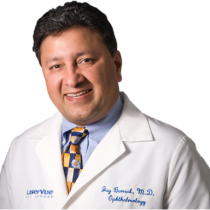
At LaserVue Eye Center, we are committed to helping patients achieve exceptional vision outcomes using the most advanced technology available. With more than 40,000 successful procedures performed and over 25 years of experience, our surgical team ensures a safe, thorough, and personalized experience for every patient. Serving the San Francisco Bay Area, we take pride in offering SMILE as a leading solution for those looking to reduce or eliminate dependence on corrective lenses.
Understanding SMILE Laser Eye Surgery
SMILE is a minimally invasive refractive surgery designed to reshape the cornea and correct refractive errors. Unlike LASIK, which requires a corneal flap, SMILE uses a small, laser-created incision to remove a microscopic piece of corneal tissue called a lenticule. This reshaping allows light to focus correctly on the retina, resulting in clearer vision.
According to the American Academy of Ophthalmology (AAO), SMILE is known for its excellent safety profile, reduced dry eye symptoms, and fast visual recovery. It is especially beneficial for patients with active lifestyles or those who prefer a no-flap procedure.
Key Benefits of SMILE Laser Eye Surgery
1. Minimally Invasive Technique
SMILE uses a tiny incision, typically less than 4 mm, making it significantly less invasive than LASIK. Because no corneal flap is created, the structural integrity of the cornea is better preserved. This leads to faster healing and reduced risk of flap-related complications. For patients concerned about eye trauma due to sports or physical activity, the no-flap design offers added reassurance.
2. Faster Recovery Time
Most patients experience improved vision within 24 hours of the procedure. The reduced incision size allows the cornea to heal quickly, minimizing downtime. Many individuals return to work or their daily routines within a day or two. According to FDA clinical trial data, visual stability after SMILE continues to improve rapidly in the first week.
3. Reduced Risk of Dry Eye Symptoms
One of the most notable advantages of SMILE is its lower incidence of postoperative dry eye. Because fewer corneal nerves are disrupted, the eye maintains more natural lubrication. Studies published in the Journal of Refractive Surgery indicate that SMILE patients experience fewer long-term dry eye symptoms compared to LASIK patients. This is especially beneficial for individuals who spend long hours using digital devices.
4. High Precision and Accuracy
SMILE uses a femtosecond laser that delivers precise, predictable results. This technology offers exceptional accuracy in tissue removal, contributing to consistent visual outcomes. Many patients achieve 20/20 vision or better after surgery. For those with moderate to high myopia, SMILE is often an ideal option due to its stability and predictability.
5. Excellent Option for Active Individuals
Because SMILE avoids creating a corneal flap, the risk of flap displacement is eliminated. This makes it an excellent choice for athletes, first responders, military personnel, or anyone engaged in contact-heavy activities. With lower postoperative restrictions, patients can safely resume physical activities sooner. Many find this an appealing advantage over traditional procedures.
Additional Advantages of SMILE Laser Vision Correction
Enhanced Corneal Stability
SMILE’s small incision helps preserve corneal strength. This stability is beneficial for long-term eye health and reduces the likelihood of corneal ectasia.
Quiet, Comfortable Procedure
Many patients describe SMILE as surprisingly quick and comfortable. There are no loud sounds, minimal pressure, and very little discomfort during the process.
FDA-Approved and Globally Trusted
SMILE is approved by the FDA and widely used around the world. More than 6 million procedures have been performed globally with excellent safety records.
Is SMILE Right for You?
SMILE is ideal for many individuals with:
Nearsightedness (myopia)
Astigmatism
Stable vision prescriptions
Healthy corneal thickness
A comprehensive evaluation at LaserVue Eye Center determines whether SMILE or another vision correction option is best for your unique needs.

See Clearly. Live Freely. Choose LaserVue Eye Center Today.
Clear vision is more than a luxury, it is freedom. At LaserVue Eye Center, our experienced team is ready to guide you through your SMILE consultation and help you experience sharper, healthier vision with confidence. With world-class technology, proven outcomes, and unmatched patient care, your journey starts here.
Schedule your SMILE evaluation today and take the first step toward a life without glasses or contacts.
Frequently Asked Questions
1. What is SMILE Laser Eye Surgery?
SMILE Laser Eye Surgery is a minimally invasive vision correction procedure that reshapes the cornea using a small incision. It is designed to treat myopia and astigmatism with high precision. The procedure uses a femtosecond laser to remove a tiny tissue lenticule inside the cornea. Its no-flap design leads to reduced healing time and enhanced comfort.
2. How does SMILE differ from LASIK?
SMILE does not require creating a corneal flap, while LASIK does. This difference helps preserve corneal integrity and may reduce the risk of complications. SMILE also works through a much smaller incision, promoting faster healing. Both procedures are effective, but eligibility depends on each patient’s eye anatomy.
3. Is SMILE safe?
SMILE is FDA-approved and supported by extensive clinical research. Millions of procedures have been performed worldwide with excellent success rates. The femtosecond laser used in SMILE provides high precision. Its minimally invasive design contributes to a strong safety profile.
4. Who is a good candidate for SMILE?
Candidates generally include individuals with myopia or astigmatism who are over 18 and have stable prescriptions. Good overall eye health is essential for eligibility. Those who prefer a no-flap procedure often benefit from SMILE. A full evaluation ensures proper candidacy.
5. Does SMILE hurt?
Most patients report minimal discomfort during the procedure. The eye is numbed using topical anesthetic drops to enhance comfort. Some may feel slight pressure for a few seconds. Recovery discomfort is typically mild and short-lived.
6. How long is the recovery period?
Initial vision improvement usually occurs within 24 hours. Most individuals resume regular activities shortly after the procedure. Full visual stabilization may take several days to weeks. Recovery is generally quicker than more invasive procedures.
7. What conditions can SMILE correct?
SMILE is approved for treating myopia and certain levels of astigmatism. It cannot correct hyperopia at this time. Clinical researchers continue to explore expanded applications. Eligibility depends on the patient’s refractive needs.
8. Are the results permanent?
SMILE results are long-lasting and stable for most patients. The corneal reshaping provides durable refractive correction. Natural age-related vision changes may still occur over time. Regular checkups help monitor long-term visual health.
9. Are there risks associated with SMILE?
As with any surgical procedure, SMILE carries some risks. Potential side effects include temporary dryness, mild inflammation, or visual fluctuations. Serious complications are rare due to the precision of modern laser technology. Comprehensive pre-surgery screening helps minimize risks.
10. How long does the SMILE procedure take?
Most SMILE procedures take about 10 to 15 minutes total. The laser portion often lasts less than 30 seconds per eye. Patients typically spend minimal time in the surgical suite. The efficiency of the process contributes to its popularity.