


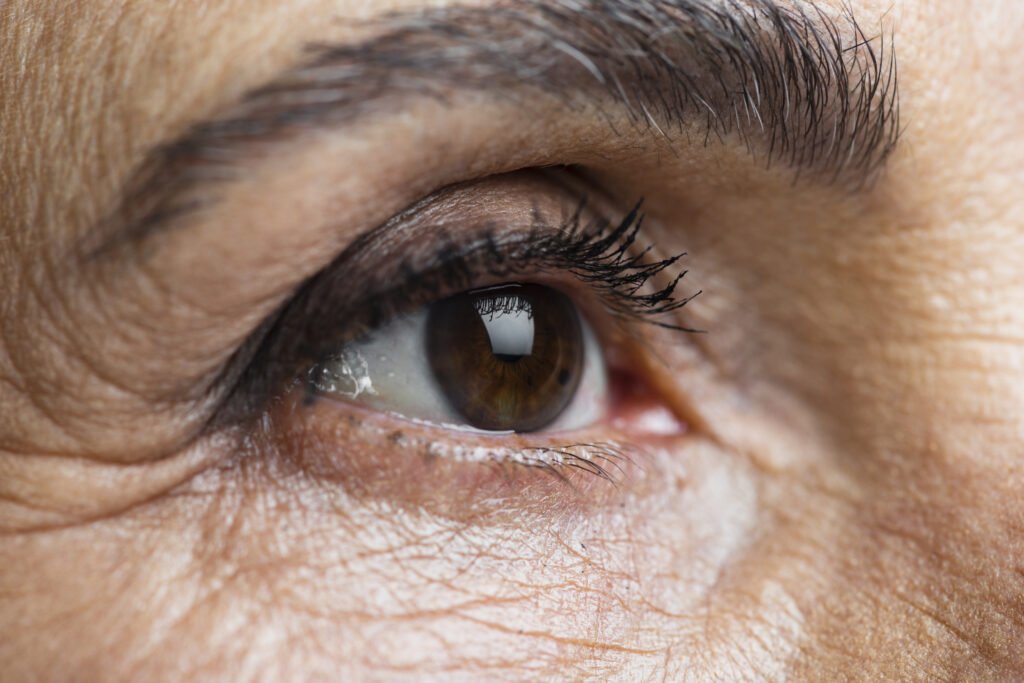
LASIK has become one of the most trusted and effective procedures for permanent vision correction. It provides patients with clear sight and freedom from glasses or contact lenses. However, not everyone is automatically a good candidate for LASIK. One of the most important factors your eye surgeon evaluates before surgery is corneal thickness.
LaserVue Eye Center believe that personalized care and advanced diagnostics are the keys to safe and lasting results. Understanding why corneal thickness is important can help you make informed decisions about your vision correction journey.
What Is the Cornea and Its Role in Vision?
The cornea is the clear, dome-shaped surface at the front of your eye. It bends and focuses light so that it lands properly on your retina. This process allows you to see clearly.
According to the American Academy of Ophthalmology (AAO), a healthy cornea contributes to roughly two-thirds of your eye’s focusing power. Its structure must remain stable and smooth for optimal vision quality. When the cornea is reshaped during LASIK, its integrity depends heavily on its original thickness.
What Happens During LASIK Surgery?
LASIK, or Laser-Assisted In Situ Keratomileusis, works by creating a thin flap in the cornea using a femtosecond laser. The surgeon then reshapes the underlying corneal tissue with another laser to correct refractive errors such as myopia, hyperopia, or astigmatism.
After reshaping, the flap is repositioned, allowing the cornea to heal naturally without stitches. The entire procedure usually takes less than 15 minutes per eye, and most patients notice improved vision within 24 hours. The success of LASIK, however, depends largely on maintaining enough corneal tissue for safe reshaping.
Why Corneal Thickness Matters for LASIK
Corneal thickness determines whether there is enough tissue to safely perform LASIK. A cornea that is too thin may not allow proper reshaping without compromising structural stability.
If the cornea becomes too weak, it may bulge outward, leading to a condition known as ectasia. This rare complication causes vision distortion and may require additional treatment. Therefore, measuring corneal thickness is an essential step in preoperative LASIK evaluations.
The Ideal Corneal Thickness for LASIK
Most healthy corneas range between 500 to 600 microns in thickness. LASIK typically removes about 50 to 120 microns of corneal tissue, depending on your prescription. Surgeons ensure that enough corneal tissue remains after reshaping, known as the residual stromal bed, to maintain long-term stability..
How Corneal Thickness Is Measured
Corneal thickness is measured through a quick, painless test called pachymetry. This diagnostic scan uses either ultrasound or optical methods to provide highly accurate results.
The test only takes a few seconds and is an essential part of your LASIK consultation. By mapping your cornea, the surgeon determines the safest treatment plan customized to your eyes.
What If the Cornea Is Too Thin for LASIK?
Patients with thinner corneas may not be ideal LASIK candidates, but that does not mean they cannot achieve visual freedom. Alternative treatments such as PRK (Photorefractive Keratectomy) or SMILE (Small Incision Lenticule Extraction) may be recommended instead.
PRK reshapes the cornea without creating a flap, preserving more tissue and offering comparable results. SMILE uses a small incision and minimal tissue removal, making it safer for patients with thin corneas.
Risks of Performing LASIK on a Thin Cornea
Performing LASIK on a cornea that is too thin increases the risk of complications such as corneal ectasia or irregular vision. This occurs when the cornea loses its shape and stability after surgery.
Symptoms may include blurred vision, glare, or difficulty seeing at night. Advanced screening technology helps identify patients at risk before surgery, ensuring the highest level of safety.
How Surgeons Ensure Safety During LASIK
Before LASIK, surgeons perform a series of tests to evaluate eye health, including topography, pachymetry, and wavefront analysis. These tests measure corneal curvature, thickness, and optical quality.
Using this data, surgeons create a customized laser treatment plan that maintains a safe level of corneal tissue. This careful planning is why LASIK has such a high success rate and minimal risk of complications.
Conclusion
So, why is corneal thickness important to LASIK? It serves as the foundation of safe and effective vision correction. Without enough tissue, the cornea cannot maintain its strength and shape after surgery.
By carefully measuring and analyzing corneal thickness, surgeons ensure that every LASIK procedure is performed with the highest safety standards. The result is clear, stable, and long-lasting vision improvement.
At LaserVue Eye Center, we combine advanced diagnostics with decades of surgical expertise to help patients achieve their best possible vision. Our personalized approach ensures that every treatment is precise, effective, and designed to last.
Trust the Experts in LASIK Precision
Your vision deserves the highest level of care and expertise. At LaserVue Eye Center, we use advanced technology and personalized diagnostics to ensure your LASIK procedure is safe, precise, and effective.
If you’re considering LASIK, take the first step toward clear, confident vision. Schedule your comprehensive LASIK consultation today and discover how advanced corneal assessment ensures your safest, most accurate results yet.
Frequently Asked Questions
1. Why is corneal thickness important for LASIK?
Corneal thickness determines how much tissue can safely be reshaped during LASIK. Too little tissue can weaken the cornea. Adequate thickness ensures long-term stability and clear vision. It is one of the most critical safety factors in LASIK evaluation.
2. What is the normal corneal thickness for LASIK eligibility?
A normal cornea measures between 500 and 600 microns thick. LASIK requires enough tissue to maintain corneal integrity after reshaping. Surgeons leave at least 250 microns of residual tissue. This helps prevent complications like corneal ectasia.
3. How is corneal thickness measured before LASIK?
Corneal thickness is measured using pachymetry. The process is quick, painless, and highly accurate. It uses ultrasound or optical scanning to map the corneal structure. The results guide the surgeon’s customized LASIK plan.
4. Can you get LASIK if your cornea is thin?
Thin corneas may disqualify some patients from LASIK. However, alternatives like PRK or SMILE may be suitable. These procedures reshape the cornea differently to maintain strength. A thorough eye evaluation determines the safest approach.
5. What happens if LASIK is performed on a thin cornea?
Performing LASIK on a thin cornea increases the risk of structural weakness. The cornea may bulge outward, causing ectasia. This can lead to blurred or distorted vision. Advanced screening prevents such risks before surgery.
6. What is the minimum corneal thickness required for LASIK?
Most surgeons recommend a minimum thickness of around 500 microns. This allows safe tissue removal and adequate residual support. At least 250 microns must remain untouched. This ensures long-term corneal strength and stability.
7. How does corneal thickness affect LASIK outcomes?
Thicker corneas allow greater flexibility in laser correction. Thinner corneas limit how much tissue can be reshaped. Proper measurements ensure optimal visual outcomes. This step is vital for safe and precise surgery.
8. Can corneal thickness change over time?
Corneal thickness remains mostly stable in healthy eyes. However, certain conditions, like keratoconus can cause thinning. Regular eye exams help detect early changes. Monitoring ensures long-term visual health.
9. What alternatives exist for patients with thin corneas?
Alternatives include PRK, SMILE, or implantable contact lenses (ICLs). These procedures correct vision without excessive corneal reshaping. They offer excellent results for patients unsuitable for LASIK. Surgeons customize recommendations based on eye structure.
10. Why is preoperative screening important for LASIK safety?
Preoperative tests identify factors like corneal thickness, curvature, and stability. These ensure that LASIK is safe and effective for each patient. Proper evaluation prevents complications and enhances accuracy. Comprehensive screening is the cornerstone of safe vision correction.