

If you’ve ever noticed that driving at night feels harder than it used to, or that lights seem to blur or glare more than before, you’re not alone. One common reason for these symptoms is astigmatism. A refractive error that can distort your vision, especially in low-light situations.
At LaserVue Eye Center, we believe that clear vision isn’t a luxury. It’s a necessity. For over 25 years, we’ve helped thousands of patients throughout the San Francisco Bay Area regain visual freedom through advanced vision correction.
Understanding how astigmatism affects night vision can help you take proactive steps toward better, clearer sight, day and night.
What Is Astigmatism?
Astigmatism occurs when your cornea or lens isn’t perfectly round. Instead of being spherical like a basketball, it’s shaped more like a football.
This uneven curvature bends light unevenly, causing blurred or distorted vision at all distances. It can occur alongside nearsightedness or farsightedness, making it harder for your eyes to focus properly.
According to the American Academy of Ophthalmology, astigmatism is one of the most common refractive errors and can affect people of all ages.
How Astigmatism Affects Night Vision
When you have astigmatism, light entering your eye doesn’t focus on one clear point on the retina. Instead, it scatters in different directions.
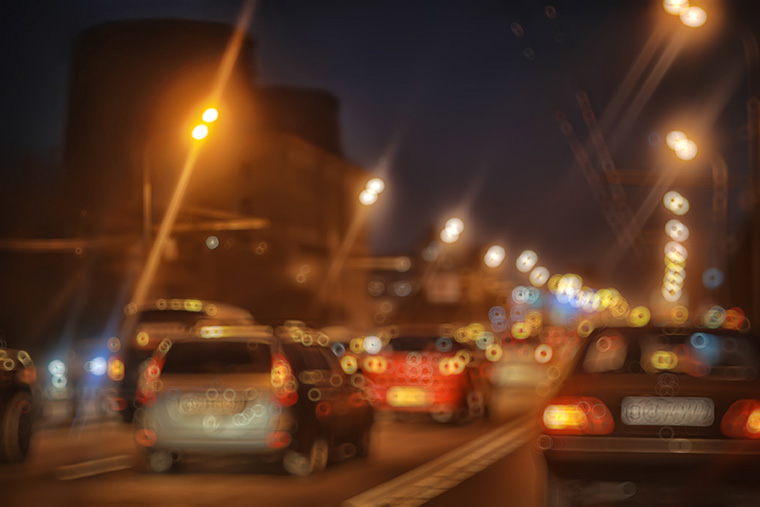
At night, when your pupils dilate to let in more light, this scattering becomes more noticeable. You may experience halos, glare, or starbursts around headlights or streetlights.
Driving in dim light can feel uncomfortable or even unsafe without proper correction.
Common Night Vision Symptoms Caused by Astigmatism
People with astigmatism often describe specific challenges at night, such as:
Blurry or double vision when looking at distant lights
Halos or starbursts around streetlights and headlights
Eye strain after extended nighttime driving
Difficulty distinguishing shapes or signs in dim lighting
These symptoms are especially common among those with uncorrected astigmatism or outdated prescriptions.
Can Astigmatism Get Worse Over Time?
Yes, astigmatism can gradually change as your eyes age. The cornea may become less stable, slightly altering its curvature. Factors like eye strain, poor lighting, or underlying conditions can also worsen its effects.
Regular eye exams help detect these changes early, so your treatment stays effective. At LaserVue, we recommend yearly comprehensive exams to track your vision health over time.
Diagnosing Astigmatism
An optometrist or ophthalmologist can diagnose astigmatism during a routine eye exam. Tests like corneal topography and refraction assessments measure the shape of your cornea and the way light bends inside your eyes.
These tests help determine if you have regular or irregular astigmatism and how severe it is. Once diagnosed, your doctor can recommend the best treatment for your lifestyle and vision needs.
How LASIK Helps with Astigmatism
LASIK surgery is one of the most effective long-term solutions for astigmatism. Using precise laser reshaping, it corrects corneal irregularities that cause blurred or scattered light.
Many patients experience sharper vision within 24 hours, with improved night vision as the eyes heal. Our team at LaserVue uses state-of-the-art wavefront-guided LASIK technology, customized for each patient’s unique eye shape and vision profile.
Preventing Nighttime Eye Strain with Astigmatism
If surgery isn’t the right choice, there are practical ways to reduce night vision problems:
Schedule regular eye exams to keep your prescription current.
Avoid bright dashboard or phone lights while driving.
Use anti-reflective lenses to reduce glare.
Take breaks during long drives to rest your eyes.
Healthy visual habits can make a noticeable difference in comfort and clarity.
When to See a Doctor About Night Vision Issues
If glare, halos, or blurred vision interfere with your daily life, it’s time to consult an eye care specialist. Untreated astigmatism can strain your eyes, worsen over time, and increase risks during nighttime activities.
At LaserVue Eye Center, our experienced surgeons and optometrists can determine the exact cause of your night vision problems and guide you toward the right solution.
See the Night Clearly Again With LaserVue Eye Center
At LaserVue Eye Center, we believe your eyes deserve world-class care and personalized attention. Whether you struggle with astigmatism, cataracts, or night vision issues, we’re here to help.
Our advanced diagnostic tools and laser technology ensure every procedure is safe, effective, and tailored to you. With over 40,000 successful vision correction procedures, we’ve earned the trust of Bay Area patients seeking clarity and confidence.
Take the First Step Toward Clearer Vision Today!
Don’t let blurry night vision keep you from living fully. Schedule your consultation with our vision experts today and discover how LaserVue Eye Center can help you see life, bright and clear, once again.
Frequently Asked Questions
1. Can astigmatism affect night vision?
Yes, astigmatism can significantly affect how well you see in low light. The irregular curvature of the cornea causes scattered light to enter the eye. This creates glare, halos, and blurriness at night. Corrective lenses or laser surgery can restore clarity for safer night driving.
2. Why is my vision worse at night with astigmatism?
At night, your pupils dilate to take in more light, worsening the effects of irregular corneal curvature. The uneven refraction of lights leads to distortion and reduced contrast. This can make headlights or streetlights appear streaky or hazy. Proper correction balances the light focus and improves night vision quality.
3. Can glasses fix night vision issues caused by astigmatism?
Yes, glasses with an accurate astigmatism prescription can correct night vision problems. They help focus light evenly onto the retina, reducing glare and blur. Anti-reflective coatings on lenses further enhance nighttime clarity. Always ensure your prescription is updated for the best results.
4. Can LASIK correct astigmatism-related night vision issues?
Yes, LASIK is an excellent option for correcting astigmatism and improving night vision. The laser reshapes the cornea, ensuring light focuses properly on the retina. Most patients notice sharper vision within days after surgery. Advanced laser systems make the procedure highly accurate and safe.
5. What are the symptoms of astigmatism at night?
Common symptoms include blurred vision, halos around lights, glare, and eye strain. Many people also report double vision or difficulty focusing in dim environments. These signs often become more noticeable while driving at night. If symptoms persist, schedule a professional eye evaluation.
6. Is night driving dangerous with uncorrected astigmatism?
Yes, uncorrected astigmatism can make night driving unsafe. Glare from headlights and poor depth perception reduce reaction time. It becomes harder to judge distances or read signs clearly. Corrective lenses or laser procedures can significantly improve safety and comfort.
7. Can astigmatism worsen over time?
Yes, it can change slowly as your eyes age or if you have eye strain. The cornea’s shape may shift, slightly increasing distortion. Regular eye exams are essential for monitoring these changes. Early adjustments to your prescription can prevent worsening vision symptoms.
8. Do contact lenses help with night vision caused by astigmatism?
Yes, specially designed toric contact lenses can help correct astigmatism. They align properly on your eye’s surface to reduce distortion. Many wearers report clearer night vision and less glare. A professional fitting ensures the best comfort and visual accuracy.
9. Are halos and glare around lights normal with astigmatism?
Yes, these are common symptoms of uncorrected astigmatism. The uneven corneal surface bends light irregularly, causing scattered illumination. Proper correction helps evenly distribute light, reducing halos and glare. This results in clearer, more comfortable night vision.
10. How can I improve my night vision naturally?
Maintain good eye hygiene, eat vision-supporting foods like leafy greens, and use adequate lighting. Avoid prolonged screen exposure before driving at night. Keep your glasses or contacts clean and prescription current. If symptoms continue, a professional eye exam can uncover underlying causes.