


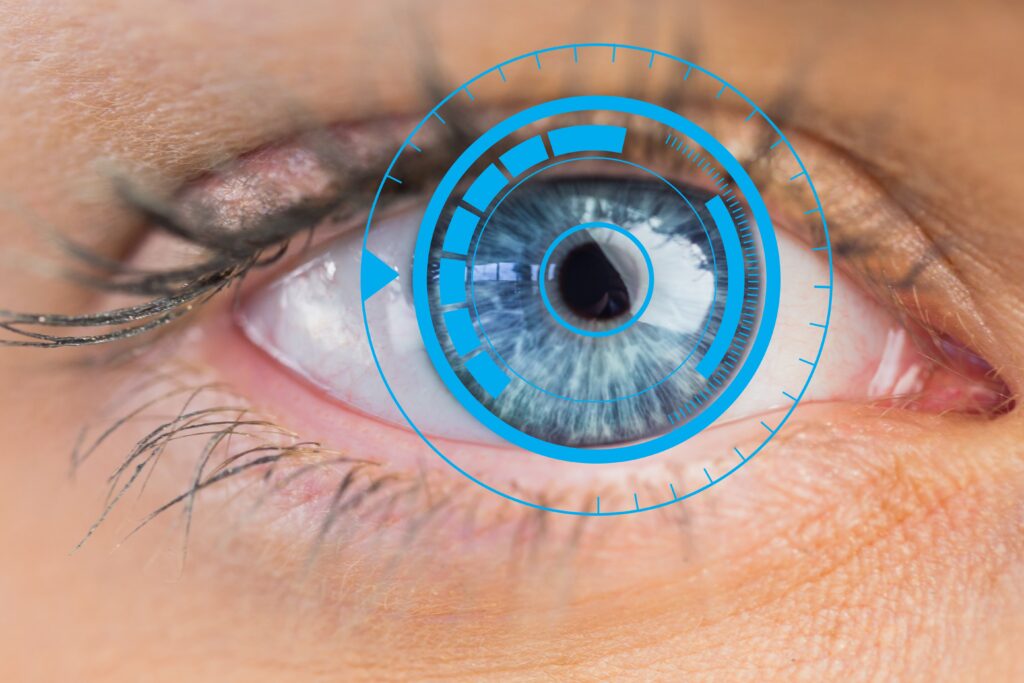
For years, LASIK surgery has been the go-to solution for people seeking to correct nearsightedness. However, not everyone is a candidate for laser vision correction. That’s where the EVO Visian ICL Lens comes in. A breakthrough technology offering sharper, high-definition vision without permanently altering the cornea.
The EVO Visian ICL (Implantable Collamer Lens) has become a trusted alternative for patients who desire freedom from glasses or contact lenses. Approved by the U.S. Food and Drug Administration (FDA) in 2022, this advanced lens implant delivers excellent visual results with a minimally invasive procedure. Designed for long-term use and natural compatibility with the eye, it’s redefining the possibilities of vision correction.
Understanding the EVO Visian ICL Lens
The EVO Visian ICL Lens is an implantable lens placed inside the eye, behind the iris and in front of the natural lens. Unlike LASIK, which reshapes the cornea, ICL surgery adds a new focusing lens within the eye to correct vision. The lens is made of Collamer, a biocompatible material that contains collagen, allowing it to work harmoniously with your natural eye structure.
It can correct moderate to severe nearsightedness (myopia) and even treat astigmatism in select cases. Because the procedure doesn’t remove corneal tissue, it’s ideal for patients with thin corneas or dry eyes. The EVO ICL can be removed or replaced if needed, making it a reversible and flexible vision correction option.
The Procedure: What to Expect
EVO Visian ICL surgery is a quick and comfortable outpatient procedure that typically takes about 20 to 30 minutes. Before surgery, numbing drops are applied to ensure a painless experience. A small opening is made in the cornea to insert and position the ICL behind the iris.
The lens unfolds gently and rests securely in place without the need for sutures. Most patients notice a dramatic improvement in vision almost immediately after surgery. Because the cornea remains untouched, recovery is typically faster than with laser-based procedures.
Benefits of the EVO Visian ICL Lens
The EVO ICL offers several unique advantages over traditional vision correction methods. First, it provides sharp, clear vision with excellent contrast sensitivity, even in low-light conditions. Second, the lens is removable, allowing flexibility if your vision or needs change over time.
Patients often report fewer issues with dry eyes compared to those who undergo LASIK. Additionally, because the lens is biocompatible, it integrates naturally with the eye’s environment. According to the American Refractive Surgery Council (ARSC), ICL patients experience a 99% satisfaction rate, a testament to its remarkable results!
Who Is a Candidate for the EVO Visian ICL?
Ideal candidates are adults between 21 and 45 years old with stable prescriptions for at least one year. It’s best suited for individuals with moderate to high myopia who are not good LASIK candidates due to thin corneas or dryness. Patients should also have healthy eyes free from diseases such as glaucoma or cataracts.
An ophthalmologist will perform a comprehensive eye exam to determine candidacy. Measurements such as corneal thickness, pupil size, and anterior chamber depth are assessed. If you’re seeking a reversible and comfortable solution for long-term vision correction, the EVO ICL may be right for you.
Safety and Effectiveness
The EVO Visian ICL has undergone extensive research and clinical testing. According to the FDA, over 1 million lenses have been implanted worldwide with an exceptional safety record. The material used, Collamer, is designed to maintain optical clarity and prevent immune reactions.
Unlike laser procedures, no corneal tissue is removed, significantly reducing the risk of dry eye or corneal complications. Patients typically enjoy stable, long-lasting results. In most cases, visual outcomes meet or exceed those achieved through LASIK.
Recovery After EVO ICL Surgery
Recovery after EVO Visian ICL surgery is usually quick and uncomplicated. Most patients return to work or normal activities within one to two days. Temporary light sensitivity or mild discomfort may occur during the first 24 hours.
Prescribed eye drops help prevent infection and promote healing. Vision stabilizes within a few days. You’ll have long-term clarity and comfort. Regular post-operative visits ensure that the lens remains well-positioned and the eyes stay healthy.
Long-Term Vision Results
EVO ICL delivers consistent, high-definition vision for years following implantation. Because it is designed for permanence. The results typically remain stable over time. However, the lens can be removed or exchanged if necessary, providing long-term flexibility.
Clinical studies have shown outstanding visual outcomes, including improved night vision and reduced glare. Most patients achieve 20/20 vision or better without glasses or contact lenses. The lens also offers UV protection, helping preserve long-term eye health.
Comparing EVO ICL with LASIK
Both EVO ICL and LASIK are highly effective vision correction options, but they differ in technique. LASIK reshapes the cornea using a laser, while EVO ICL adds a corrective lens inside the eye. The ICL procedure is ideal for individuals with thinner corneas or high prescriptions that make LASIK unsuitable.
EVO ICL is also reversible, offering greater flexibility for future vision changes. LASIK is typically permanent, though enhancement procedures may be required over time. The choice depends on your specific eye structure, prescription, and lifestyle needs.
The Future of Vision Correction
The introduction of the EVO Visian ICL Lens marks a major advancement in refractive eye surgery. With its minimally invasive design and reversible nature, it provides a safe and precise option for vision enhancement. Ophthalmologists view it as a significant step toward fully customizable eye care solutions.
As technology continues to evolve, procedures like ICL surgery will become even more refined and accessible. Patients can look forward to faster recovery, greater comfort, and lasting visual freedom. The future of clear vision has never been brighter.
Experience the Next Generation of Vision Correction.
Discover the life-changing benefits of the EVO Visian ICL Lens at LaserVue Eye Center, proudly serving the San Francisco Bay Area. With over 25 years of experience and more than 40,000 successful procedures, our specialists deliver precision, safety, and outstanding care. Schedule your personalized consultation today. See the world as it was meant to be—crystal clear.
Frequently Asked Questions
1. What is the EVO Visian ICL Lens?
The EVO Visian ICL Lens is a biocompatible, implantable lens placed inside the eye to correct vision. It does not remove corneal tissue like LASIK. The lens is made of Collamer, which works naturally with your eye. It corrects moderate to severe myopia and astigmatism. Patients enjoy clearer, sharper vision and a reversible correction option.
2. How does the EVO Visian ICL procedure work?
The procedure involves placing the lens behind the iris and in front of the natural lens. It is performed under local anesthesia and takes about 20 minutes. The surgeon makes a small incision to insert the folded lens. Once in place, the lens unfolds smoothly and does not require stitches. Vision improvement is typically immediate following surgery.
3. Who is a good candidate for the EVO Visian ICL Lens?
Candidates are adults aged 21 to 45 with stable prescriptions. It is ideal for those with moderate to high myopia or thin corneas. Individuals with chronic dry eye may also benefit. Patients should have healthy eyes without glaucoma or cataracts. A thorough eye exam determines eligibility and safety for the procedure.
4. Is the EVO Visian ICL Lens permanent?
Yes, the lens is designed for long-term vision correction. However, it can be removed or replaced if needed. This reversibility provides greater flexibility than LASIK. The lens remains stable and effective for many years. Most patients maintain clear vision without needing further correction.
5. How safe is the EVO Visian ICL procedure?
The EVO ICL has an outstanding global safety record, with over 1 million successful implants. Complications are rare due to its minimally invasive design. Because no corneal tissue is removed, risks are reduced. The collamer material is biocompatible, minimizing immune reactions. Most patients achieve 20/20 vision or better after surgery.
6. What are the main benefits of the EVO Visian ICL Lens?
The lens provides excellent vision quality, even in low-light conditions. It’s removable, reversible, and designed for long-term clarity. Patients report minimal dryness and quick recovery. It also blocks UV rays, protecting long-term eye health. Compared to LASIK, it offers a gentler and flexible approach.
7. How long does recovery take after EVO ICL surgery?
Recovery is generally fast, with many patients seeing clearly within 24 hours. Minor light sensitivity may occur initially. Most resume normal activities in one to two days. Follow-up visits ensure proper healing and alignment. Vision stabilizes completely within a few days.
8. Can EVO ICL correct astigmatism?
Yes, the EVO Visian ICL is available in toric models that correct astigmatism. These lenses provide customized correction for irregular corneal shapes. The result is a sharper, more consistent vision. Your surgeon will determine if the toric ICL is suitable for your needs. Patients often experience significant improvements in overall clarity.
9. What are the risks of EVO Visian ICL surgery?
Risks are minimal but may include mild inflammation, glare, or elevated eye pressure. Serious complications are extremely rare with proper care. Choosing an experienced surgeon greatly reduces risks. Regular follow-up appointments ensure continued eye health. Most patients report excellent outcomes without lasting side effects.
10. How does EVO Visian ICL compare to LASIK?
LASIK reshapes the cornea, while EVO ICL adds a corrective lens inside the eye. EVO ICL is ideal for thin corneas and high prescriptions. It is reversible and causes less dryness. LASIK offers a faster procedure time but is permanent. Both provide excellent results when tailored to patient needs.