

Cataracts are a natural part of aging, affecting millions of Americans each year. According to the National Eye Institute (NEI), more than half of people aged 75 and older have cataracts. The condition causes clouding of the eye’s natural lens, leading to blurred vision, glare sensitivity, and reduced color perception.
If left untreated, cataracts can gradually worsen, making daily tasks such as reading, driving, and recognizing faces increasingly difficult. Knowing when your eye doctor should refer you to a cataract surgeon in San Francisco is essential for preserving vision and independence.
Early diagnosis and timely referral are critical. With advanced surgical techniques available today, most patients can expect excellent outcomes and a quick recovery.
Understanding When Cataract Symptoms Require Specialist Referral
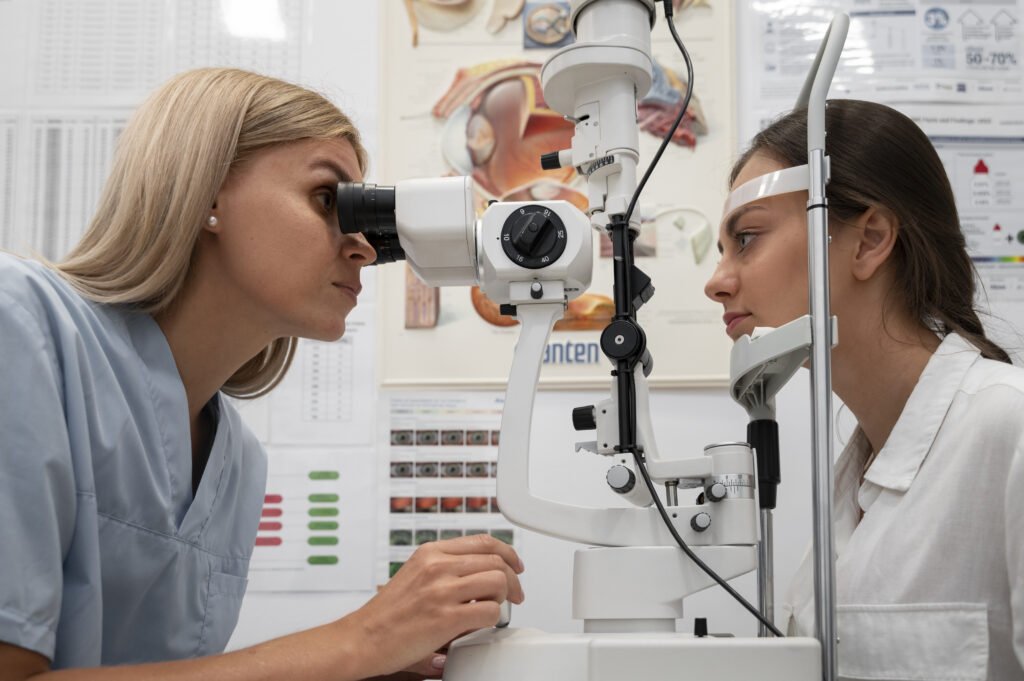
Cataracts develop slowly, often without noticeable symptoms in the early stages. During routine eye exams, your optometrist monitors any clouding or vision changes in the lens. When the cataract begins to significantly interfere with your visual quality or daily life, it’s time for a referral to a surgeon.
Common signs include difficulty seeing at night, increased glare from headlights, blurred or cloudy vision, and fading colors. Once these symptoms start impacting your routine, surgical evaluation becomes the next logical step. Optometrists and ophthalmologists work closely to determine the ideal timing for referral, ensuring your surgery is safe, effective, and tailored to your individual needs.
The Importance of Timely Referral to a Cataract Surgeon
Referring too late for cataract surgery can limit treatment options and prolong discomfort. Delayed intervention may cause the cataract to harden, making surgery more complex and recovery slower.
Timely referral allows the surgeon to plan the procedure before significant vision loss occurs. This approach helps maintain a patient’s independence and reduces the risk of accidents due to poor vision. Modern cataract surgery is minimally invasive and highly precise, so there’s no need to wait until vision is severely impaired.
How Eye Doctors Determine the Right Time for Cataract Surgery
Your eye doctor evaluates several factors when deciding the right time for referral. These include visual acuity tests, glare sensitivity, and the degree of lens opacity. The doctor also assesses how much cataracts interfere with your daily activities, such as reading, driving, or working.
If corrective lenses no longer improve your vision, surgical treatment is the next step. Your doctor’s goal is to preserve functional vision and prevent further decline.
Why Early Detection and Monitoring Matter
Early detection through regular eye exams helps your doctor track the progression of cataracts. Not all cataracts require immediate surgery; however, monitoring ensures timely intervention when needed. A proactive approach helps avoid vision complications and supports better surgical outcomes.
The sooner cataracts are diagnosed, the more treatment options you’ll have. Delaying diagnosis can make cataracts more advanced, reducing the clarity and safety of your vision over time.
Choosing the Right Cataract Surgeon in San Francisco
Selecting a cataract surgeon involves more than just experience; it’s about trust, technology, and personalized care. In San Francisco, patients have access to leading surgeons who specialize in laser-assisted cataract surgery and advanced intraocular lenses (IOLs).
The best cataract surgeons use cutting-edge diagnostic imaging and femtosecond laser technology for precision and safety. Reviews, credentials, and technology used in the practice can help you identify top-tier specialists.
What Happens After a Referral
Once referred, you’ll undergo a comprehensive pre-surgical evaluation. This includes measuring your eye shape, size, and lens power to select the most suitable intraocular lens (IOL).
You’ll also discuss surgical options such as traditional or laser-assisted cataract surgery, depending on your eye health and lifestyle needs. The surgeon will explain the risks, benefits, and recovery timeline to help you make an informed decision.
Recovery Expectations After Cataract Surgery
Recovery from cataract surgery is typically quick and smooth. Most patients notice significant vision improvement within days, with full recovery taking a few weeks. During recovery, patients use prescribed eye drops to prevent infection and inflammation. Strenuous activities should be avoided for the first week to promote healing.
Follow-up appointments ensure proper progress and optimal visual results. With today’s advanced technology, over 95% of patients experience improved vision following cataract surgery.
The Role of Advanced Technology in Modern Cataract Surgery
Technological advancements have revolutionized cataract surgery. Laser-assisted techniques allow surgeons to perform precise incisions and lens fragmentation, improving accuracy and reducing recovery time. Surgeons now use premium intraocular lenses (IOLs) that correct multiple vision issues like presbyopia and astigmatism. This means many patients achieve sharper vision without glasses.
Cutting-edge imaging systems also enhance surgical planning, providing safer, more predictable results. Technology ensures a smoother experience from diagnosis through recovery.
Benefits of Not Waiting Too Long for Cataract Surgery
Early surgical intervention restores clear vision and enhances quality of life. Delaying surgery can lead to reduced independence, increased fall risk, and emotional frustration from poor sight.
Cataract removal not only restores vision but can also improve depth perception and color vibrancy. Many patients report feeling younger and more confident after surgery.
Why Your Vision Deserves Timely Care
Your eyes are among your most valuable assets. Cataract surgery is one of the safest and most effective procedures performed today. Delaying care only prolongs the struggle of poor vision and the limitations it brings. By acting early, you invest in long-term clarity, confidence, and independence. Consult with your eye doctor today to determine if it’s time for a cataract surgery referral.
Take the First Step Toward Clearer Vision Today!
Clear vision shouldn’t wait. If cataracts are beginning to affect your daily life, now is the time to act. At LaserVue Eye Center, our experienced surgeons use state-of-the-art laser technology to restore your sight safely and effectively.
Don’t wait for your vision to worsen. Schedule your cataract consultation today and rediscover the world in sharp, vivid detail.
Frequently Asked Questions
1. What are the early signs that I need cataract surgery?
Early symptoms include blurry vision, faded colors, glare sensitivity, and poor night vision. If these interfere with daily life, surgery may be needed. An eye doctor will confirm the diagnosis through a comprehensive exam. Early detection helps ensure safer surgery and faster recovery. Timely referral prevents vision complications.
2. Can cataract surgery be done at any age?
Yes, cataract surgery can be performed whenever vision loss affects quality of life. Most patients are between 60 and 80 years old. However, younger individuals with eye trauma or disease may need surgery earlier. Age is not the only factor in determining eligibility. Your doctor will assess overall eye health first.
3. How long should I wait after diagnosis before surgery?
You don’t need to wait long once vision interference begins. Modern technology allows safe surgery at earlier stages. Waiting too long can cause complications and harder cataracts. Early surgery preserves visual clarity and comfort. Consult your ophthalmologist to decide the right time.
4. What happens during cataract surgery?
Cataract surgery replaces the cloudy lens with a clear artificial one. The procedure takes about 15 minutes per eye. Local anesthesia ensures comfort throughout. Most patients return home the same day. Vision typically improves within days after surgery.
5. How do I prepare for cataract surgery?
Preparation includes medical evaluation and lens measurements. Your doctor may recommend pausing certain medications before surgery. Arrange transportation home after the procedure. Avoid makeup or lotions on surgery day. Following instructions ensures smooth recovery and optimal results.
6. Is cataract surgery painful?
No, cataract surgery is virtually painless. Local anesthesia numbs the eye completely. Patients may feel mild pressure but not pain. Post-surgery discomfort is minimal and managed with drops. Recovery is quick with minimal complications.
7. What are the risks of delaying cataract surgery?
Delaying surgery can worsen vision and make cataracts harder to remove. Advanced cataracts increase surgical complexity. Poor vision can lead to falls or accidents. Early treatment ensures safer outcomes. Timely referral protects long-term eye health.
8. What vision results can I expect after cataract surgery?
Most patients regain clear, sharp vision within days. Colors appear brighter, and glare sensitivity decreases. Many experience reduced dependence on glasses. Results vary depending on the chosen lens type. Long-term clarity is typical after successful surgery.
9. How safe is cataract surgery?
Cataract surgery is one of the safest procedures worldwide. It has a success rate exceeding 95%. Advanced laser systems enhance accuracy and safety. Complications are rare and easily managed. Choosing an experienced surgeon ensures optimal results.
10. How do I find the best cataract surgeon in San Francisco?
Look for board-certified ophthalmologists with experience in laser-assisted cataract surgery. Check patient reviews and the technology used in their clinic. Referrals from your optometrist can guide you to trusted professionals. Ensure the surgeon offers personalized care and advanced IOL options. A skilled specialist ensures superior visual outcomes.