



Chronic dry eye is a condition impacting millions of people globally. It often causes significant discomfort and visual disruption. Historically, treatment involved only temporary solutions like lubricating drops. The underlying cause of dry eye must be properly addressed. The leading cause is frequently Meibomian Gland Dysfunction (MGD). MGD occurs when the eyelid glands become blocked or abnormal. These glands are responsible for producing essential protective oils (meibum). This oil forms the crucial top layer of the tear film. Without sufficient oil, tears evaporate too quickly from the eye surface. This accelerated evaporation leads to the classic symptoms of dry eye disease (DED).
Over 30 million people suffer from uncomfortable dry eyes, and 86% of those people are living with Meibomian Gland Dysfunction. Are you one of them?
The Top Symptoms of Meibomian Gland Dysfunction
- Chronic Dry Eyes
- Blurred Vision
- Burning Eyes
- Itching Eyes
If you are one of the millions of people in the U.S. suffering from Meibomian Gland Dysfunction – MGD – you know the symptoms all too well. This very common eye condition is caused by an abnormality in your eyelid glands, which prevents them from secreting enough oil into your ducts, resulting in your eyes feeling too dry.
How Does Meibomian Gland Dysfunction Cause Dry Eyes?
For many of our patients in the Bay Area who suffer from uncomfortable dry eyes and other eye discomfort, it is not due to a lack of tear production but a much larger problem found in the inner eye glands.
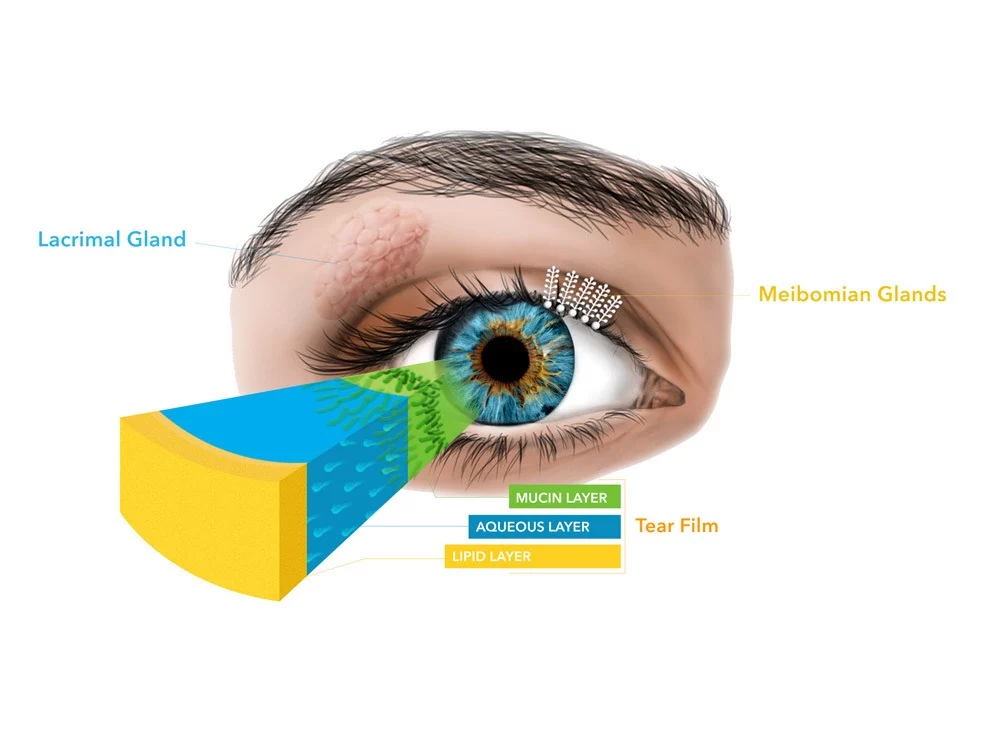
The Meibomian glands are found in your eyelids, and they produce the oily (lipid) layer of your eye’s tear production. This lipid oil protects the eye from disease and prevents tears from completely evaporating while your eyes are open. If your Meibomian glands are hindered from producing this oil – usually due to a blockage – your eyes will feel dry, scratchy, and uncomfortable.
How To Treat Meibomian Gland Dysfunction
Treatments for Meibomian Gland Dysfunction range from doctor-prescribed antibiotics to eye sprays and lubricants. These will help alleviate your dry eyes and other symptoms of MGD, but will require long-term management.
But at LaserVue Eye Center, we are happy to offer our patients LipiFlow treatments, the leading therapy for Meibomian Gland Dysfunction that will eliminate all its symptoms, including chronic dry eyes, in one visit.
What is LipiFlow?
The LipiFlow treatment is specifically designed to remove blockages in your Meibomian gland, restoring their function and allowing them to produce the lipid oils your eyes require. This treatment is performed in a single office visit and can result in the completely eradication of all symptoms of Meibomian Gland Dysfunction.
The LipiFlow system is backed by over 10 years of dedicated research on advanced Vector Thermal Pulse Technology, resulting in the only drug-free treatment for chronic dry eyes due to Meibomian Gland Dysfunction. LipiFlow is the safest therapy available for treating dry eyes and other MGD symptoms, and is now used by top eye care professionals around the world.
How Does LipiFlow Treat MGD and Dry Eyes?
LipiFlow utilizes cutting-edge technology to clear blockages found in the Meibomian glands of your eyelids. By precisely applying inner lid heating and vectored thermal pulsation, LipiFlow devices ensure the protection of your cornea while effectively relieving congestion from your inner eye glands. This mix of applied heat and massage can relieve your dry eye and other MGD symptoms in as little as one 12-minute office visit.
Is LipiFlow Right For Me?
Diagnosis and treatment for Meibomian Gland Dysfunction does not need to be a drawn-out process, but it does require a series of diagnostic tests. With expert care, our eye doctors will evaluate the function of your performance of your Meibomian gland to determine whether you have MGD and would benefit from LipiFlow treatment.
Take the first step towards optimal eye health and the relief from dry eyes with a thorough eye exam. If you are experiencing dry eyes or other MGD symptoms, call one of our three conveniently located LaserVue Eye Center in the Bay Area, or contact us online to schedule a free consultation today.
Frequently Asked Questions
1. What is LipiFlow, and how does it specifically treat chronic dry eye disease?
LipiFlow is an advanced, in-office medical device treatment. It specifically addresses Meibomian Gland Dysfunction (MGD). MGD is a leading root cause of evaporative dry eye disease. This specialized system applies gentle warming and therapeutic massaging. This action unblocks the crucial meibomian glands within the eyelids. Once unblocked, the glands secrete essential protective oils.
2. How long does the LipiFlow treatment take, and is the procedure painful?
The entire LipiFlow procedure is very efficient and fast overall. The treatment itself takes approximately 12 minutes. This short duration makes it convenient for busy patients. Most patients report only a mild, soothing warmth during treatment. The procedure is entirely non-invasive and highly safe. A topical anesthetic drop is applied to ensure maximum comfort.
3. What are the common signs and symptoms that indicate a person may need LipiFlow?
Patients with evaporative dry eye experience persistent symptoms. These common signs include chronic eye dryness and a scratchy feeling. Many also report that their eyes frequently burn or sting. Significant eye discomfort and fluctuating blurred vision are typical. If artificial tears provide only temporary relief, MGD may be the cause. An examination can accurately confirm the need for this treatment.
4. How quickly can a patient expect to feel relief after undergoing the LipiFlow procedure?
The exact timeline for experiencing relief can vary by patient. Some individuals report feeling initial improvement within two weeks. Most patients achieve noticeable and sustained relief within six to eight weeks. The unblocked glands need time to regenerate normal oil secretion. Consistent improvement is seen as the tear film stabilizes naturally. A follow-up visit monitors your unique ongoing progress.
5. Are there any restrictions or special care required immediately following the LipiFlow treatment?
Patients can generally return to their usual activities immediately. There is typically no downtime needed after the session. We advise against rubbing the eyes vigorously immediately after treatment. It is recommended to follow any prescribed eye drop instructions carefully. Patients should avoid heavy eye makeup for a specified period. Otherwise, you can resume normal routines quickly and safely.
6. How long do the therapeutic effects of a single LipiFlow treatment typically last?
The positive therapeutic effects are often quite long-lasting for patients. Many individuals experience comfort and relief for one to two years. The restored natural meibomian gland function slowly returns to its baseline. Some patients may require a repeat treatment to maintain optimal results. Regular follow-up appointments help accurately track your long-term dry eye status. These check-ups ensure your eyes remain comfortable and clear.
7. How does LipiFlow compare to traditional dry eye treatments like prescription eye drops?
LipiFlow addresses the primary underlying cause of evaporative dry eye. This is a key difference from many traditional treatments. Prescription eye drops mainly reduce inflammation or boost tear production. These drops do not directly treat the blocked meibomian glands. LipiFlow aims to restore the natural flow of tear oils immediately. It offers a lasting mechanical solution versus a temporary chemical one.
8. Is LipiFlow a safe and medically approved procedure for treating Meibomian Gland Dysfunction?
Yes, LipiFlow is a procedure with a very strong clinical safety profile. It has received clearance from the United States Food and Drug Administration. The device is specifically designed with built-in thermal safeguards. These sensors ensure heat is always delivered safely and precisely. Clinical studies have consistently demonstrated the procedure’s efficacy and safety. It is widely used by eye care professionals globally today.
9. Will insurance cover the cost of the LipiFlow treatment for chronic dry eye?
Insurance coverage for LipiFlow can vary significantly depending on your provider. It is generally classified as an elective or specialized procedure. Many medical insurance plans currently deem the treatment to be non-covered. We highly recommend contacting your insurance carrier directly beforehand. Our office staff can assist you with verifying your specific benefits. We aim to make all payment and financing options clear.
10. What percentage of patients experience significant improvement after receiving LipiFlow?
Clinical research indicates a very high success rate for this treatment. A significant majority of patients report feeling much better in overall comfort. Studies show that over 80% of treated patients experience noticeable symptom relief. This improvement is measured by better gland function and comfort. The treatment is particularly effective for those with confirmed MGD. We will fully discuss your specific expected outcomes during your consultation.