


Cataract surgery has changed dramatically over the years. Today, patients have more choices than simply removing a cloudy lens and replacing it with a basic one. Many people now ask an important question: Are Premium IOLs in Santa Rosa worth it? For the right patient, advanced lenses can improve visual freedom, reduce dependence on glasses, and support a more active lifestyle.
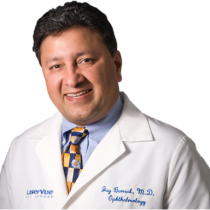
At LaserVue Eye Center, we believe everyone deserves the freedom of clear vision. Proudly serving Santa Rosa, we specialize in advanced LASIK and cataract surgery. With over 25 years of experience and more than 40,000 successful procedures, our team helps patients make informed decisions with confidence.
What Are Premium IOLs?
An intraocular lens (IOL) is the artificial lens placed in the eye during cataract surgery after the cloudy natural lens is removed. Standard monofocal lenses usually correct one distance, often far vision. Premium IOLs are advanced lens options designed to expand visual range or correct astigmatism.
According to the American Academy of Ophthalmology, lens selection is one of the most important choices during cataract surgery because it affects how you see after recovery.
Types of Premium IOLs in Santa Rosa
1. Multifocal IOLs
Multifocal IOLs are designed with multiple focusing zones. These zones help the eye see at different distances, usually near, intermediate, and far. Think of them like having several prescriptions built into one lens. Light entering the eye is split into different focal points. Your brain learns to select the clearest image depending on what you are doing. That adaptation period varies by person.
Best For
- People who want less dependence on glasses
- Readers who enjoy books or menus without readers
- Patients who value both distance and near tasks
- Active adults who dislike switching eyewear
Benefits
- Can improve near, intermediate, and distance vision
- Often reduces the need for reading glasses
- Helpful for day-to-day convenience
Trade-Offs
- Halos around lights at night may occur
- Contrast sensitivity may feel lower in dim settings
- Brain adaptation can take weeks or months
Ideal Personality Match
Patients who are flexible, motivated, and comfortable with adaptation often do well.
2. Extended Depth of Focus (EDOF) IOLs
EDOF lenses create one elongated focal range instead of separate zones. This provides smoother vision across multiple distances, especially far and intermediate. Rather than splitting light into distinct points, the lens stretches the focus area. Many people describe this as more natural compared with some multifocal designs.
Best For
- Computer users
- Professionals using screens daily
- Drivers
- Patients wanting lower risk of halos than multifocal lenses
Benefits
- Strong distance vision
- Very good intermediate vision
- Often fewer halos than multifocal lenses
- Smooth transitions between distances
Trade-Offs
- Near vision for tiny print may still need readers
- Premium pricing
- Results depend on eye health and pupil behavior
Ideal Personality Match
People who prioritize driving, screens, dashboards, and practical daily function.
3. Toric Premium IOLs
Toric IOLs are made to correct astigmatism. Astigmatism happens when the cornea or lens has an uneven curve, causing blur or shadowing. The lens has different powers in different meridians, similar to toric contact lenses. It must be precisely aligned during surgery.
Best For
- Patients with moderate or significant astigmatism
- People frustrated by blurry distance vision
- Those wanting sharper outcomes after cataract surgery
Benefits
- Better uncorrected distance clarity
- Reduced need for glasses for distance
- Can be combined with multifocal or EDOF technology in some models
Trade-Offs
- Lens rotation after surgery can reduce performance
- May need repositioning if alignment shifts
- Near vision may still need glasses unless combined with another premium design
Ideal Personality Match
Anyone with astigmatism who wants sharper vision and less blur.
4. Toric Multifocal IOLs
These combine multifocal technology with astigmatism correction. They are advanced combination lenses. They correct uneven curvature while also offering multiple focus zones for near, intermediate, and distance vision.
Best For
- Patients with astigmatism who also want less dependence on readers
- Highly motivated glasses-free candidates
Benefits
- Broad visual range
- Astigmatism correction
- High convenience potential
Trade-Offs
- Higher cost
- Night halos may occur
- Requires precise measurements and placement
Ideal Personality Match
Patients wanting maximum freedom from glasses and willing to accept trade-offs.
5. Toric EDOF IOLs
These lenses combine astigmatism correction with extended depth of focus technology. They align to correct astigmatism while delivering a continuous range of vision, especially distance and intermediate.
Best For
- Astigmatic patients who use computers often
- Drivers
- People who want functional range without strong multifocal effects
Benefits
- Sharp distance
- Strong intermediate
- Lower halo risk than some multifocal options
- Astigmatism correction built in
Trade-Offs
- Small print may still need readers
- Higher cost than standard lenses
Ideal Personality Match
Busy professionals and active adults with astigmatism.
6. Accommodating IOLs
These lenses were designed to move slightly or change focusing behavior using the eye’s natural muscles. The lens attempts to shift position inside the eye when focusing effort occurs.
Best For
- Select patients depending on availability and surgeon preference
Benefits
- Potentially more natural visual transitions
- Distance and some intermediate support
Trade-Offs
- Results can be variable
- Less common today than newer EDOF designs
- Near vision may still require glasses
Ideal Personality Match
Patients specifically advised by a surgeon after evaluation.
7. Light Adjustable Lens (LAL) – Premium Customizable Option
The Light Adjustable Lens is implanted during surgery, then fine-tuned afterward using UV light treatments. After healing begins, the doctor adjusts lens power based on your actual vision results. This personalization can improve accuracy.
Best For
- Patients who want highly customized outcomes
- People with prior refractive surgery like LASIK or PRK
- Perfection-focused patients
Benefits
- Post-surgery prescription adjustments
- High precision outcomes
- Excellent for complex eyes in some cases
Trade-Offs
- Requires multiple follow-up light treatments
- UV-protective glasses needed temporarily
- Premium pricing
Ideal Personality Match
Detail-oriented patients who want customization.
Are Premium IOLs Worth It?
For many patients, the answer is yes. It depends on lifestyle, budget, and visual goals. The best way to decide if a premium IOL is right for you is to consider your daily activities, work needs, hobbies, and how you feel about wearing glasses. Discuss with your surgeon questions such as: Which activities do I want to do without glasses? What are my most important vision needs (reading, driving, screens)? What is my budget and what are my expectations for my outcome? Bringing these topics to your consultation helps ensure you and your doctor select the lens that truly fits your lifestyle.
If you enjoy golf, travel, reading menus, using digital devices, or driving often, premium lenses may offer more convenience. They can reduce dependence on glasses for many daily tasks. That added freedom is often the biggest reason patients choose them.
However, premium lenses are not ideal for everyone. Some people prefer the lower cost and predictability of standard monofocal lenses. Others may have eye conditions that make a different option better.
Benefits of Premium IOLs
Greater Visual Independence
Many patients use glasses less often after surgery.
Better Astigmatism Correction
Toric options can address blurry vision caused by irregular corneal shape.
Improved Lifestyle Convenience
Daily tasks may feel easier without switching between multiple pairs of glasses.
Personalized Vision Planning
Lens choices can be matched to hobbies, work needs, and routines.
Things to Consider Before Choosing Advanced Lenses
Cost
Premium IOLs often involve additional out-of-pocket expense beyond standard insurance-covered options.
Night Vision Effects
Some patients notice halos or glare, especially early in healing.
Eye Health
Retina issues, severe dry eye, or other conditions may affect candidacy.
Expectations
No lens guarantees perfect vision in every setting. Realistic expectations matter.
Why Santa Rosa Patients Choose LaserVue Eye Center
Choosing the right surgeon matters just as much as choosing the right lens. At LaserVue Eye Center, patients receive detailed evaluations, advanced diagnostics, and honest recommendations based on their goals. Our experienced team explains each option clearly, so patients can feel informed instead of overwhelmed. With decades of experience and thousands of successful procedures, we help Santa Rosa patients pursue sharper vision with confidence.
What Recovery Is Like
Cataract surgery is typically an outpatient procedure. Most patients return home the same day and notice improving vision within several days. Full healing may continue over a few weeks. Following eye drop instructions and attending follow-up visits supports the best outcome.
Ready to Explore Your Best Vision After Cataract Surgery?
If you are considering cataract surgery and want to know whether premium lenses fit your lifestyle, now is the perfect time to ask. Schedule a consultation with LaserVue Eye Center today and discover personalized cataract solutions designed for clear, confident vision in Santa Rosa.
Frequently Asked Questions
1. Do premium IOLs really reduce the need for glasses?
For many patients, yes, they often reduce daily dependence on glasses. Some people still use readers for fine print or long reading sessions. Results depend on the lens type and your eyes. Lifestyle goals matter when choosing. A detailed exam gives the best prediction.
2. Are premium IOLs better than standard lenses?
They are not automatically better for everyone. Premium lenses offer added features like a broader range of vision or astigmatism correction. Standard lenses can still provide excellent, clear sight. The better choice depends on priorities and budget. Personalized planning matters most.
3. How much do premium IOLs cost in Santa Rosa?
Pricing varies based on lens type, surgeon experience, and technology used. Premium upgrades usually cost more than standard covered lenses. Some clinics offer financing options. Exact numbers require a consultation. Cost should be weighed against long-term convenience.
4. Can seniors in their 70s or 80s get premium IOLs?
Yes, many older adults are strong candidates. Age alone does not rule someone out. Overall, eye health matters more than birth year. Retina health and corneal condition are important factors. A surgeon can determine the safest fit.
5. Do premium IOLs cause glare at night?
Some patients notice halos or glare, especially early after surgery. This is more common with certain multifocal designs. Many people adapt over time as healing continues. Night symptoms vary widely between individuals. Discuss driving habits before choosing a lens.
6. How long do premium IOLs last?
Premium IOLs are designed to last for life. They do not wear out like contact lenses or glasses. Once implanted, they stay inside the eye permanently. Future vision changes are usually related to aging eyes. Regular exams are still important.
7. Can premium IOLs fix astigmatism?
Yes, toric premium lenses are specifically made for astigmatism correction. They can reduce blur caused by uneven corneal shape. This may lower the need for glasses afterward. Proper measurements are essential before surgery. Precision placement also matters.
8. Is cataract surgery recovery longer with premium IOLs?
Recovery time is usually similar to standard lens surgery. Most patients go home the same day. Vision often improves within days, then continues sharpening. Some advanced lenses may require adaptation time. Follow-up visits help monitor progress.
9. What if I still need glasses after premium IOLs?
That can happen, depending on the lens and your eye health. Some patients need glasses only for fine print or nighttime driving. Others use them occasionally for comfort. Even partial freedom can feel valuable. Goals should be discussed before surgery.
10. How do I choose the right lens for cataract surgery?
Start with your daily habits and visual priorities. Think about reading, driving, screens, hobbies, and budget. Your surgeon will compare options using detailed eye measurements. No single lens is best for everyone. The right choice is personal and practical.