

For many patients, LASIK is the right answer. For others, the better path is one of the modern LASIK alternatives. As a refractive surgeon who has performed LASIK in California since 1996, I have learned that the best vision correction outcome rarely comes from picking the most famous procedure. It comes from matching the procedure to the eye.
If you have been researching LASIK eye surgery and you are not sure whether you are a candidate, or you have decided you want a flap-free option, or you are over 45 and tired of reading glasses, this guide walks through the four main LASIK alternatives (plus two additional options worth knowing about), what each does well, and who each one fits. By the end, you will know which procedure is most likely the right next step for your eyes.
Why LaserVue’s Founder Recommends LASIK Alternatives
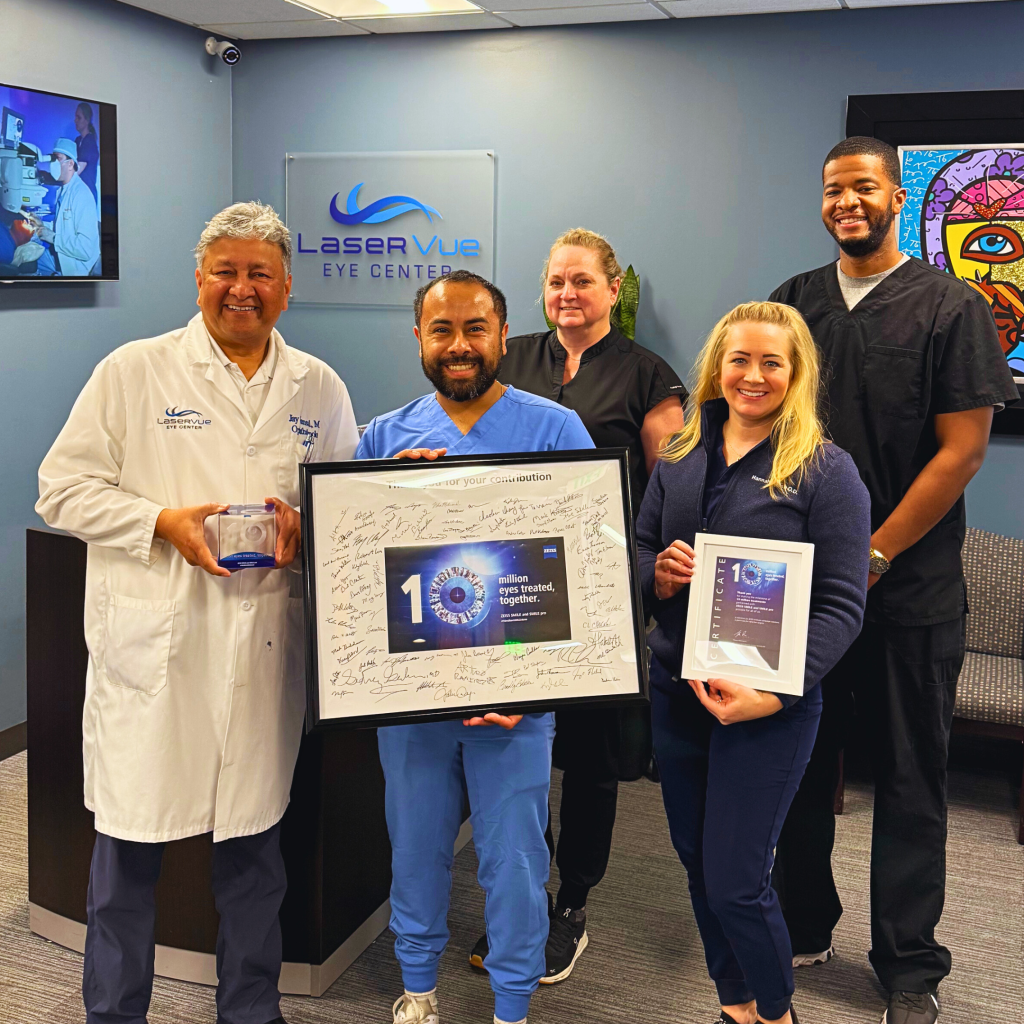
I have spent more than 30 years helping patients see more clearly. For the last 30 of those years, I have been treating Bay Area patients at LaserVue Eye Center. In that time, I have performed thousands of LASIK, SMILE, PRK, EVO ICL, Refractive Lens Exchange, and cataract surgery procedures, and have had the privilege of caring for more than 25,000 patients across our two Bay Area locations.
Furthermore, the most important lesson I have learned is this: no single procedure is right for every eye. Although I have performed thousands of LASIK procedures, my practice is not committed to selling LASIK. Instead, it is committed to recommending the safest and most effective LASIK alternative (or LASIK itself) for each patient I see. That principle drives everything below.
Why LASIK Still Leads, and When LASIK Alternatives Win
LASIK reshapes the cornea, the clear front surface of your eye, so light focuses sharply onto the retina. By using two computer-guided lasers in sequence, the procedure delivers consistent precision. A femtosecond laser creates a very thin corneal flap measured in microns, thinner than a human hair. Next, an excimer laser removes tiny amounts of tissue using cool ultraviolet light, reshaping the eye to your exact prescription. Finally, the flap is repositioned and begins to heal almost immediately.
How modern LASIK works
Furthermore, modern LASIK incorporates advanced corneal mapping, wavefront-guided customization, and high-speed eye tracking that follows tiny eye movements in real time. As a result, the FDA’s LASIK Quality of Life Collaboration Project found that more than 95% of participants were satisfied with their vision after LASIK, with less than 1% reporting severe difficulty performing normal daily activities. Additionally, a Cochrane systematic review of LASIK outcomes confirms strong long-term visual results in appropriately selected patients.
LASIK’s documented limits
That said, LASIK is not a procedure to approach casually. It has candidacy requirements, real limitations, and after-surgery factors that every honest surgeon will walk you through. By contrast, a trustworthy LASIK surgeon should be willing to tell you when LASIK is not your best option. That is a feature, not a flaw, of a good refractive consultation. For a deeper read on LASIK candidacy specifically, see our LASIK page. In short, when LASIK doesn’t fit, the right LASIK alternative usually does.
Who Needs a LASIK Alternative? Common LASIK Candidacy Limits
Modern LASIK safety depends heavily on candidacy. Below are the most common reasons we guide patients toward a LASIK alternative instead. The FDA’s “When is LASIK not for me?” guidance covers the formal disqualifications in detail.
Corneal thickness and shape
For instance, thin corneas may limit how much tissue can be safely reshaped during LASIK. Similarly, irregular corneal shapes can affect how predictably the laser treatment heals. Keratoconus risk requires especially careful screening, because even subtle signs of corneal instability can rule out LASIK. As a result, safer LASIK alternatives that place less structural stress on the cornea are usually the right answer for these patients. In addition, corneal scarring can interfere with accurate laser treatment depending on its location, depth, and severity.
Very high prescriptions
Additionally, very high nearsightedness (myopia) may require more corneal tissue removal than is safe, especially in patients with thinner corneas. By comparison, extreme astigmatism can sometimes reduce the predictability of LASIK results. Higher farsightedness (hyperopia) can also affect how stable or sharp vision remains long-term. Consequently, alternatives like EVO ICL often achieve sharper outcomes than LASIK could for these patients.
Dry eye disease
Pre-existing dry eye disease can affect healing quality and post-operative comfort. For patients with chronic dryness, a procedure that preserves more corneal nerve integrity is usually preferable. Therefore, we may recommend SMILE or EVO ICL over LASIK, and treat the dry eye first with therapies like LipiFlow.
Age and lens changes
Similarly, presbyopia (the natural age-related decline in near vision after 40) is not corrected by LASIK. According to the National Eye Institute, presbyopia begins to affect most adults in their 40s. In contrast, lens-based surgery often delivers the long-term result presbyopic patients want.
Medical and lifestyle considerations
Furthermore, autoimmune disease can affect healing responses and tissue stability. Pregnancy and hormonal changes can temporarily alter prescription stability and the tear film. As a result, we typically recommend pregnant patients wait until their prescription has stabilized before scheduling LASIK.
When you choose a LASIK surgeon, ask about the diagnostic technology they use and how they decide which procedure is right for your eyes. The answer should be specific, individualized, and grounded in your scan data, not a generic recommendation. The American Academy of Ophthalmology publishes patient-facing candidacy guidance that is worth reading alongside any surgeon’s recommendation.
Why Some Patients Choose LASIK Alternatives Anyway
Interestingly, many of the people who come to our office searching for LASIK alternatives are medically eligible for LASIK. Their preference is driven by lifestyle, anatomy preference, or peace of mind, not medical necessity.
Active or high-impact lifestyles
Generally, athletes, military personnel, martial artists, scuba divers, and first responders sometimes choose procedures without a corneal flap. Even though flap complications after healing are extremely rare, certain careers and sports carry direct-impact risk that makes flap-free LASIK alternatives more reassuring.
Concerns about the corneal flap
In addition, modern femtosecond laser flap creation is very precise. Even so, some patients feel more comfortable choosing a procedure that does not create a flap at all. This is one reason SMILE laser eye surgery and PRK have become increasingly popular among LASIK alternatives.
Dry eye concerns
Meanwhile, some patients have heard stories about dry eye symptoms after LASIK. Modern LASIK has improved dramatically on this front. However, for patients with a strong preference for procedures that preserve more corneal nerves, SMILE or EVO ICL are often a better fit.
Reversibility
Typically, EVO ICL lenses can be removed or exchanged in the future if medically necessary. For patients who want the option to adapt to future advances in vision science, that reversibility is meaningful.
Anxiety about laser surgery or about pain
In most cases, LASIK itself is comfortable and painless. Numbing eye drops are applied before the procedure, most patients describe only mild pressure for a few seconds during flap creation, and the laser portion lasts only seconds. Furthermore, mild irritation, watering, or light sensitivity in the first several hours is normal and easily managed with prescribed medications and artificial tears.
That said, some patients still prefer the EVO ICL approach because it places a thin specially made lens inside the eye rather than reshaping the cornea. The procedure uses a tiny micro-incision of about 3 mm, and the lens implant rests comfortably behind the iris and in front of the natural lens.
SMILE: The Modern Flap-Free LASIK Alternative
SMILE, short for Small Incision Lenticule Extraction, is one of the newest mainstream LASIK alternatives. ZEISS, the technology manufacturer, has confirmed that more than 10 million SMILE eyes have been treated worldwide. Furthermore, SMILE received expanded FDA approval for astigmatism in recent years, broadening its candidate pool significantly.
Instead of creating a corneal flap, SMILE uses a femtosecond laser to shape a small lens of tissue (a lenticule) inside the cornea, then removes the lenticule through a small incision around 4 mm. As a result, the cornea reshapes itself around the removed tissue, allowing light to focus more precisely on the retina.
Who chooses SMILE
By comparison, the most common reason patients choose SMILE is because it is flap-free. The smaller incision preserves more of the cornea’s surface structure and may reduce disruption to corneal nerves. Consequently, SMILE is appealing for active lifestyles where direct-impact risk to the eye is a real factor, such as scuba diving or contact sports.
Where SMILE has limits
However, SMILE is not ideal for certain farsighted prescriptions or for highly complex cases that require maximum customization. In some cases, wavefront-guided LASIK can deliver a more individualized correction for patients with unique higher-order aberrations. Therefore, a thorough consultation will tell you whether SMILE fits your specific eye scan.
PRK: The Original Flap-Free LASIK Alternative
Photorefractive Keratectomy (PRK) is one of the earliest and most time-tested forms of laser vision correction. Like LASIK, PRK uses an excimer laser to reshape the cornea. By contrast, it does not create a flap. Instead, the thin outer layer of the cornea (the epithelium) is gently removed and naturally regenerates during recovery.
Why patients choose PRK
In addition, PRK avoids flap creation entirely. As a result, it is especially well-suited for military personnel, law enforcement, contact-sport athletes, and others in occupations or activities where eye trauma risk is higher. Furthermore, PRK can be a better option than LASIK for patients with thinner corneas, because it preserves more underlying corneal tissue.
Recovery expectations
By comparison, PRK healing is different from LASIK. The corneal surface must fully regenerate before vision stabilizes. Therefore, vision improves gradually over several days to weeks. During early healing, you may experience temporary discomfort, irritation, light sensitivity, or a gritty sensation. Typically, most patients reach functional vision by day 5 to 7, with full sharpness arriving over the following weeks.
PRK has one of the longest safety records in all of refractive surgery, with visual outcomes comparable to LASIK in appropriately selected patients. The trade-off is recovery time: PRK takes longer to settle than LASIK, but the underlying cornea is left structurally untouched. Note: LASEK (also called Advanced Surface Ablation) is a closely related surface procedure with very similar outcomes; most clinics offer one or the other based on surgeon preference.
EVO ICL: The Implantable Lens LASIK Alternative
The EVO Implantable Collamer Lens is a modern lens-based LASIK alternative. Instead of reshaping the cornea, the surgeon places a thin specially made FDA-approved lens between the iris and the natural lens of the eye.
This is a fundamentally different category from laser refractive surgery. By contrast, EVO ICL corrects vision by adding optical power inside the eye rather than removing corneal tissue.
Why patients choose EVO ICL
On the other hand, EVO ICL is often the right LASIK alternative when corneal-based procedures are not ideal. The most common reasons patients choose it include:
- High prescriptions, especially high myopia outside the safe range for LASIK
- Thin corneas where preserving corneal tissue matters more than reshaping it
- Significant dry eye history, since the cornea is left untouched
- Preference for a procedure that can be reversed (the lens can be removed or exchanged later)
Additionally, EVO ICL is UV-protective, which is a small but real benefit not offered by laser procedures.
Considerations
In short, EVO ICL is an intraocular procedure, performed inside the eye rather than on the surface. This means precise internal measurements must confirm the lens can be safely and comfortably placed for your specific eye anatomy. Therefore, follow-up care over time is part of the package.
Refractive Lens Exchange (RLE): The Best LASIK Alternative for Adults 45+
Refractive Lens Exchange replaces the eye’s natural lens with an advanced artificial intraocular lens (IOL). Mechanically, RLE is very similar to modern cataract surgery. However, RLE is performed before cataracts become visually significant.
Furthermore, the goal of RLE is twofold: correct your refractive error today and prevent future cataract development, because the natural lens has already been replaced.
Why patients choose RLE
Typically, adults over 45 choose RLE because it addresses two problems at once. With premium IOL technology, RLE can correct both distance and near vision in the same procedure, reducing or eliminating the need for reading glasses. In addition, it makes future cataracts impossible, since the lens that develops cataracts has been replaced.
Considerations
Meanwhile, RLE is an intraocular procedure, which places it in the same surgical category as cataract surgery. There is usually an adaptation period as the brain adjusts to premium lens optics, especially with multifocal or extended-depth-of-focus designs. For these reasons, RLE is generally not recommended for younger patients with healthy natural lenses.
Two More LASIK Alternatives Worth Knowing About
Beyond the four main LASIK alternatives above, two additional procedures are worth understanding for the complete picture.
LASEK (Advanced Surface Ablation)
LASEK, also called Advanced Surface Ablation (ASA), is closely related to PRK. Like PRK, LASEK is a flap-free surface procedure. By comparison, the procedural difference is that LASEK preserves the epithelial layer rather than removing it entirely, repositioning it after reshaping the cornea.
In real-world outcomes, LASEK and PRK perform very similarly. Typically, recovery, visual outcomes, and safety profiles are close enough that most clinics offer one or the other based on surgeon preference.
Ortho-K (the non-surgical option)
Orthokeratology, or Ortho-K, is the only non-surgical alternative in this list. It involves wearing specially designed rigid gas-permeable contact lenses overnight to temporarily reshape the cornea. As a result, you wake up with clearer vision and can typically go through the day without glasses or contacts.
Importantly, Ortho-K is fully reversible, which appeals to patients who want vision correction without a permanent change. The trade-off is ongoing lens wear and replacement. Generally, it is most commonly used for mild to moderate myopia and is sometimes prescribed for children to slow myopia progression.
How Much Do LASIK Alternatives Cost?
Cost is one of the most common questions patients ask before choosing a LASIK alternative, and it is also one of the most variable. The total depends on the surgeon’s experience, the technology used, your prescription complexity, whether the price includes the consultation and follow-ups, and the financing path you choose. Below are typical national price ranges per eye in 2026 (your exact LaserVue pricing is provided during your free consultation).
| Procedure | Typical price per eye (US, 2026) | What’s usually included |
|---|---|---|
| LASIK | $2,000 to $3,000 | Pre-op consult, surgery, standard follow-ups |
| PRK | $1,500 to $2,500 | Pre-op consult, surgery, extended follow-ups |
| SMILE | $2,500 to $3,500 | Pre-op consult, single-laser procedure, follow-ups |
| EVO ICL | $4,000 to $5,000 | Pre-op consult, lens, surgery, follow-ups |
| RLE (standard IOL) | $4,500 to $6,500 | Pre-op consult, lens, surgery, follow-ups |
| RLE with premium IOL | $5,500 to $9,500 | Adds $1,000 to $3,000 per eye for premium lens |
| LASEK / ASA | $1,500 to $2,500 | Comparable to PRK |
| Ortho-K | ~$1,000 to $2,000 per year | Ongoing lens replacement |
Furthermore, most major medical insurance plans do not cover elective refractive surgery. However, many of these procedures may qualify for HSA or FSA reimbursement. At LaserVue, we accept CareCredit and offer in-house financing so you can spread the cost over 12 to 24 months, with terms based on your credit profile. For an exact quote based on your prescription, corneal scan, and chosen LASIK alternative, schedule a free consultation.
LASIK Alternatives by Profession and Lifestyle
Generally, your work and your favorite activities shape which LASIK alternative makes the most sense. Below is how we typically guide patients in specific careers and high-impact lifestyles.
Military, law enforcement, and first responders
For instance, most branches of the US military approve PRK and, in many cases, LASIK and SMILE for service members. PRK is the historical favorite for combat aviators, special operations candidates, and others in roles with direct impact or high-G exposure, because the absence of a corneal flap removes any future risk of flap dislocation. Always check the current branch-specific waiver list before scheduling, and bring your service medical records to your consultation.
Pilots, commercial and recreational
In addition, the FAA permits LASIK, PRK, and SMILE for pilots who meet vision standards after the procedure and the prescribed stabilization period. Many career pilots choose PRK or SMILE specifically because flap-free LASIK alternatives reduce concerns about cabin pressure changes. EVO ICL is also approved with proper documentation.
Contact sports, martial arts, and combat athletes
By comparison, for MMA, boxing, rugby, hockey, and similar contact sports, PRK and SMILE are usually preferred over LASIK. The flap-free structure removes any concern about a corneal flap being displaced by a direct hit, even though modern LASIK flaps heal very well.
Scuba diving, water sports, and outdoor athletes
Similarly, SMILE and EVO ICL are popular among divers and open-water athletes because they preserve more corneal nerves and reduce dry eye risk in saline and chlorinated environments. PRK is also viable.
Computer-heavy careers and extended screen use
In contrast, if you spend 8+ hours daily on screens, dry eye risk is the dominant factor. As a result, pre-existing dry eye is a strong indicator for SMILE or EVO ICL over LASIK. We often pair the consultation with a dry eye assessment and may recommend treating the dry eye first with therapies like LipiFlow before any refractive surgery.
Healthcare workers and precision-vision careers
Meanwhile, precision-vision careers often want the fastest recovery to clear vision. LASIK is typically the answer when you are a candidate. For those who aren’t, SMILE delivers similar visual recovery speed with a flap-free profile.
Compare LASIK Alternatives: Side-by-Side
Below is a quick comparison of LASIK and all six main LASIK alternatives covered in this guide. Use it as a starting framework; your consultation refines it based on your specific eye scan.
| Procedure | Best for | Avoids | Recovery | Reversible? | Typical price/eye |
|---|---|---|---|---|---|
| LASIK | Healthy corneas, stable Rx, fast recovery | Thin corneas, severe dry eye, very high Rx | 24 to 48 hours | No | $2,000 to $3,000 |
| SMILE | Mild to moderate myopia + astigmatism, active lifestyle | Hyperopia, very high astigmatism | 1 to 3 days | No | $2,500 to $3,500 |
| PRK | Thin corneas, military, contact sports | Flap creation entirely | 5 to 7 days functional, weeks to full sharpness | No | $1,500 to $2,500 |
| EVO ICL | High myopia, thin corneas, dry eye, reversibility preference | Corneal reshaping | 1 to 2 days | Yes (lens removable) | $4,000 to $5,000 |
| RLE | Adults 45+ with presbyopia or early lens changes | Future cataract development | About 1 week | No | $4,500 to $6,500 |
| LASEK / ASA | Same as PRK, surgeon preference | Flap creation | 5 to 7 days functional | No | $1,500 to $2,500 |
| Ortho-K | Mild to moderate myopia, reversibility, slowing kids’ myopia | Surgery entirely | Overnight (continuous use) | Yes | $1,000 to $2,000/year |
Which LASIK Alternative Is Right for You? A Quick Match Guide
The best LASIK alternative is not the most popular one. Instead, it is the one that matches your eye, your prescription, and your life. Here is a quick orientation. Your consultation refines it based on your eye scan data.
- You have healthy corneas, a stable prescription, and want the fastest recovery. Typically, LASIK is still the answer.
- You want flap-free + you are a good candidate. SMILE is the modern flap-free LASIK alternative for mild to moderate myopia and astigmatism.
- You have thin corneas, or you are in a high-impact career or sport. PRK (or LASEK) is the time-tested flap-free choice.
- You have a very high prescription, severe dry eye, or want reversibility. EVO ICL is the implantable lens path.
- You are over 45 and your near vision is fading. Refractive Lens Exchange addresses presbyopia and prevents future cataracts in one procedure.
- You want vision correction without surgery at all. Ortho-K is the non-surgical reversible option for mild to moderate myopia.
For a clinical overview of all of these from a non-affiliated source, see the American Refractive Surgery Council’s LASIK alternatives guide. The decision tree above is a starting point, not a substitute for evaluation.
Why a Consultation Beats Googling “LASIK Alternatives”
Internet research can inform you. However, your eyes get the final vote.
A comprehensive refractive consultation includes detailed corneal mapping (topography), pachymetry to measure corneal thickness, precise refraction, evaluation of the natural lens, dry eye assessment, and a discussion of your work, sports, and visual goals. Even small differences in corneal shape or lens condition can significantly change which LASIK alternative is safest and most effective for you. As a result, a personalized surgical plan, built from your data, is what makes outcomes predictable rather than approximate. The American Society of Cataract and Refractive Surgery publishes patient education that walks through exactly what to expect from a quality refractive evaluation.
If you would like to find out which LASIK alternative fits your eyes, you can schedule a free consultation at LaserVue Eye Center in San Francisco or Santa Rosa.
Frequently Asked Questions About LASIK Alternatives
What are the main alternatives to LASIK eye surgery?
The four main LASIK alternatives are SMILE (small incision lenticule extraction), PRK (photorefractive keratectomy), EVO ICL (implantable collamer lens), and Refractive Lens Exchange (RLE). SMILE and PRK are flap-free laser procedures. EVO ICL places a thin lens inside the eye. RLE replaces the natural lens with an artificial intraocular lens. Two additional options are LASEK (closely related to PRK) and Ortho-K (a non-surgical overnight contact lens approach).
What is the safest LASIK alternative?
There is no single “safest” procedure for every eye. Safety depends on matching the procedure to your specific corneal anatomy, prescription, and overall eye health. For patients with thin corneas, PRK and EVO ICL are often safer than LASIK. For patients with high prescriptions, EVO ICL preserves more corneal tissue. For adults over 45, Refractive Lens Exchange addresses both refractive error and the future possibility of cataracts. The safest LASIK alternative for you is the one your eye scan data supports as the best fit.
How much do LASIK alternatives cost?
Typical 2026 US pricing per eye runs roughly $1,500 to $2,500 for PRK, $2,500 to $3,500 for SMILE, $4,000 to $5,000 for EVO ICL, and $4,500 to $6,500 for Refractive Lens Exchange with a standard IOL. Premium IOLs and complex cases can add to the total. Most major medical insurance does not cover elective refractive surgery, but HSA and FSA accounts often qualify, and financing through CareCredit or in-house plans is available at LaserVue.
Are LASIK alternatives permanent or reversible?
Most LASIK alternatives are permanent. PRK, SMILE, LASEK, and Refractive Lens Exchange permanently change either the cornea or the lens inside your eye. EVO ICL is the surgical exception: the collamer lens used in EVO ICL surgery can be removed or exchanged in the future if your prescription changes significantly or if newer technology becomes available. Ortho-K is also fully reversible because the corneal reshaping fades when you stop wearing the overnight lenses.
What is the newest LASIK alternative available in 2026?
SMILE and EVO ICL are the newest mainstream LASIK alternatives. SMILE (Small Incision Lenticule Extraction) received expanded FDA approval for astigmatism, broadening its candidate pool significantly. EVO ICL with the newest collamer lens generation has continued to expand the prescription range it can correct. Refractive lens exchange has also seen significant improvements with newer extended-depth-of-focus and trifocal premium IOLs that deliver better near, intermediate, and distance vision than older multifocal designs.
Is SMILE safer than LASIK?
Both procedures have excellent safety records when performed on appropriate candidates. SMILE avoids creating a corneal flap, which some patients prefer for lifestyle reasons. LASIK has a longer track record and offers more customization for complex prescriptions. The right answer depends on your eye anatomy and goals, not on which procedure is newer.
Who is not a good candidate for LASIK?
Patients with thin or irregular corneas, very high prescriptions, untreated dry eye disease, keratoconus or keratoconus risk, autoimmune conditions affecting healing, or who are pregnant are typically not ideal LASIK candidates. Adults over 45 with presbyopia may also be better served by lens-based procedures.
Is EVO ICL better than LASIK for high prescriptions?
For very high myopia (severe nearsightedness), EVO ICL often delivers sharper, more stable vision than LASIK because it does not require removing large amounts of corneal tissue. Patients with thin corneas or significant dry eye also frequently get better outcomes from EVO ICL than from LASIK.
How long does it take to recover from PRK vs. LASIK?
LASIK vision typically stabilizes within 24 to 48 hours. PRK takes longer because the corneal surface must fully regenerate. Most PRK patients reach functional vision in 5 to 7 days and full sharpness over several weeks. The trade-off is that PRK leaves the cornea structurally intact, which matters for patients with thin corneas or high-impact lifestyles.
Can LASIK alternatives correct astigmatism?
Yes. LASIK, SMILE, PRK, and EVO ICL can all correct astigmatism within their respective FDA-approved ranges. The right choice depends on the type and amount of astigmatism, the cornea’s shape, and your overall prescription. A comprehensive consultation determines which procedure achieves the most stable astigmatism correction for your specific eye.
What is the best LASIK alternative for adults over 40?
For adults experiencing age-related near vision decline (presbyopia), Refractive Lens Exchange with a premium intraocular lens is often the most comprehensive answer. RLE corrects refractive error, addresses presbyopia, and eliminates the future possibility of cataracts. Adults over 45 frequently see better long-term results from RLE than from corneal laser procedures.
How do I know which LASIK alternative is right for my eyes?
The answer depends on your corneal thickness and shape, prescription, age, dry eye status, and lifestyle. A comprehensive refractive consultation includes corneal topography, pachymetry, refraction, lens evaluation, and dry eye assessment. Based on that data, your surgeon recommends the procedure that matches your specific eye anatomy and goals.
What Is the Best LASIK Alternative for You? Book a Free Consultation
Modern refractive surgery is no longer limited to LASIK alone. Today you have access to several proven LASIK alternatives that can be tailored to different eyes, lifestyles, and goals. LASIK remains one of the safest and most successful elective surgeries ever developed, and for many patients it is still the best option. For others, SMILE, PRK, EVO ICL, Refractive Lens Exchange, LASEK, or Ortho-K will deliver a better fit.
The most important step is not choosing a procedure based on internet stories or fear. Instead, it is getting a professional evaluation from an experienced refractive surgeon who can honestly explain your options. At LaserVue Eye Center, that is our promise to every patient we see.
Schedule your free consultation at our San Francisco or Santa Rosa office, or call 1-800-527-3745 to speak with our team.
About the Author
Dr. Jay Bansal, M.D. is the founder and medical director of LaserVue Eye Center, with offices in San Francisco and Santa Rosa. He completed his ophthalmology residency at the University of Nebraska Medical Center in 1993, performed his first LASIK surgery in 1994, and has been treating Bay Area patients since 1996. During his fellowship he trained under Dr. Stephen Slade, one of the pioneers of LASIK surgery and the designer of many of the surgical instruments still used in the procedure today. Over the past 30 years, Dr. Bansal has cared for more than 25,000 patients across LASIK, SMILE, PRK, EVO ICL, Refractive Lens Exchange, and cataract surgery. He writes regularly for his clinical-education series, Ophthalmologist Explains.
The Bottom Line on LASIK Alternatives
LASIK alternatives are not a consolation prize. SMILE, PRK, EVO ICL, Refractive Lens Exchange, LASEK, and Ortho-K are six proven LASIK alternatives that often deliver better outcomes than LASIK itself for the right patient. The best LASIK alternative for you is the one matched to your specific corneal scan, prescription, lifestyle, and goals. If LASIK is not a candidate fit for your eyes, one of these LASIK alternatives almost certainly is. The next step is a free consultation that pulls the data on your eyes and tells you exactly which LASIK alternative your scan supports as the safest, sharpest choice.
Real LaserVue Patients, Real LASIK Alternatives Results
Below are real LaserVue patients who chose LASIK or a LASIK alternative and shared the result. Each one is a reminder that the right procedure, matched to the right eye, changes lives.
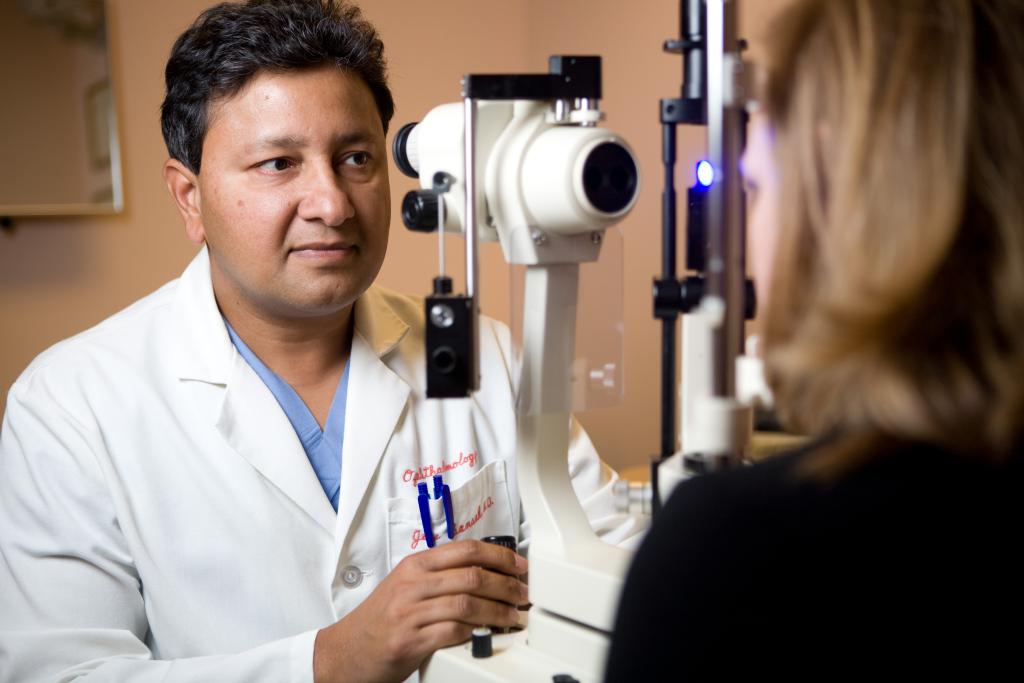
As an ophthalmologist specializing in refractive surgery, I have spent 30 years helping patients improve their vision. I have decades of experience performing advanced procedures such as LASIK, SMILE, PRK, EVO ICL, Cataract Surgery, and Refractive Lens Exchange (RLE). I have had the privilege of treating more than 25,000 happy patients at LaserVue Eye Center.
One of the most important lessons I have learned is that no single procedure is right for everyone. Although I’ve performed thousands of LASIK procedures, my practice is not committed to selling LASIK. Our foremost goal is finding the safest and most effective treatment for your needs.

LASIK has helped millions of people around the world reduce or eliminate their dependence on glasses and contact lenses. Decades after its introduction, it remains one of the most studied elective procedures in modern medicine. LASIK continues to maintain extremely high patient satisfaction rates.
Peer-reviewed studies of LASIK outcomes have found patient satisfaction rates averaging approximately 95% or higher worldwide.
At the same time, LASIK is not a procedure that should be approached casually. Like every medical treatment, it has risks, limitations, and important candidacy requirements.
A successful LASIK outcome depends heavily on proper screening, modern technology, surgeon experience, and patient selection.
Unfortunately, not every LASIK provider follows the same standards. That is why making a smart choice of your LASIK center is so important.
Advanced diagnostics have become one of the most important reasons why modern LASIK is safer and more predictable.
When you choose a LASIK surgeon, you may ask about their technology and how they determine your best treatment.
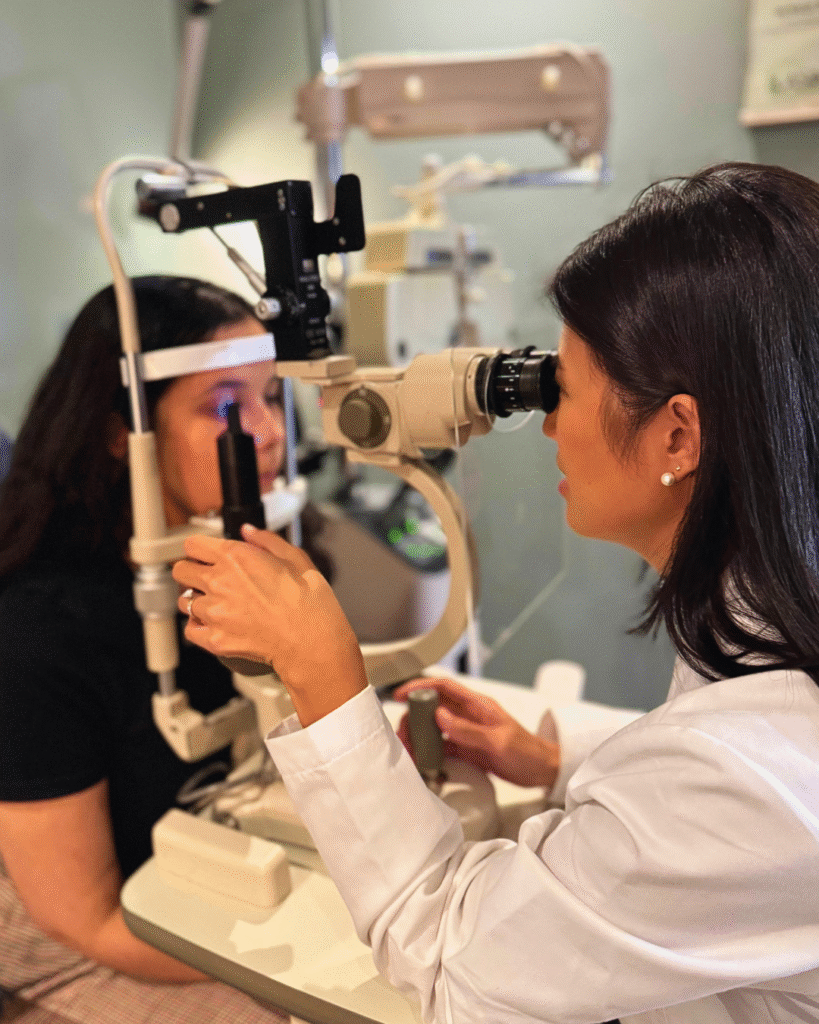
This does not mean complications are imaginary or should be ignored. It means they need to be understood within the full medical context.
Patients who understand what LASIK can and cannot accomplish tend to be the happiest with their results.
A trusted and experienced LASIK surgeon is more comfortable with assessing each patient’s unique vision challenges. This includes communicating your realistic outcomes and what you can expect to be your unique ‘ideal’ end result.

Pre-existing dry eye disease can affect healing quality and post-operative comfort. Surgeons evaluate whether another procedure may offer better long-term ocular surface health for patients with dry eye disease.
Patients with chronic dryness may sometimes benefit from an alternative to LASIK eye surgery that preserves more corneal nerve integrity and minimizes dry eye symptoms during recovery.

Presbyopia after age 40 changes how the eye focuses up close. This may influence whether LASIK alone can meet a patient’s long-term visual goals.
Early cataract formation may indicate that the natural lens is already becoming dysfunctional. In some cases, lens-based procedures can be more effective than corneal laser surgery.

Autoimmune disease can affect healing responses and tissue stability, requiring careful medical evaluation before considering elective refractive surgery.
Pregnancy and hormonal changes can temporarily alter prescription stability and tear ducts. This temporary change may affect the accuracy and timing of LASIK treatment. Surgeons typically advise pregnant patients to wait until their prescription has stabilized before scheduling their LASIK procedure.
Active or High-Demand Lifestyles
Athletes, military personnel, martial artists, and first responders sometimes prefer procedures without a corneal flap. This is because of concerns about eye trauma related to the corneal flap. Certain activities may involve the risk of direct impact to their eyes.
Although flap complications after healing are extremely rare, certain patients still prefer flap-free options.

Another common misconception around LASIK involves dry eye concerns. Some patients who consider vision correction have heard stories about dry eye symptoms after LASIK.
People with these concerns sometimes seek procedures that aim to preserve more corneal nerves.
Modern LASIK has dramatically improved in the arena of dry eye. Even though many patients enjoy LASIK benefits without dry eyes, some patients prefer SMILE or EVO ICL for peace of mind.

For these individuals, EVO ICL can be very appealing. The Implantable Collamer Lens (ICL) procedure uses an implantable lens to correct poor vision. Instead of using a laser to reshape the cornea, the surgeon makes a tiny micro-incision (around 3 mm). The lens is inserted through that small hole. The lens implant rests comfortably in your eye, behind your iris and in front of your natural lens.
Desire for Reversibility
The concept of reversibility appeals to patients who prefer a less permanent structural change to the cornea.
Some patients appreciate that EVO ICL lenses can be removed or exchanged in the future if needed. EVO ICL patients get the peace of mind knowing they can explore future advancements in vision science, even ones that may not exist yet.
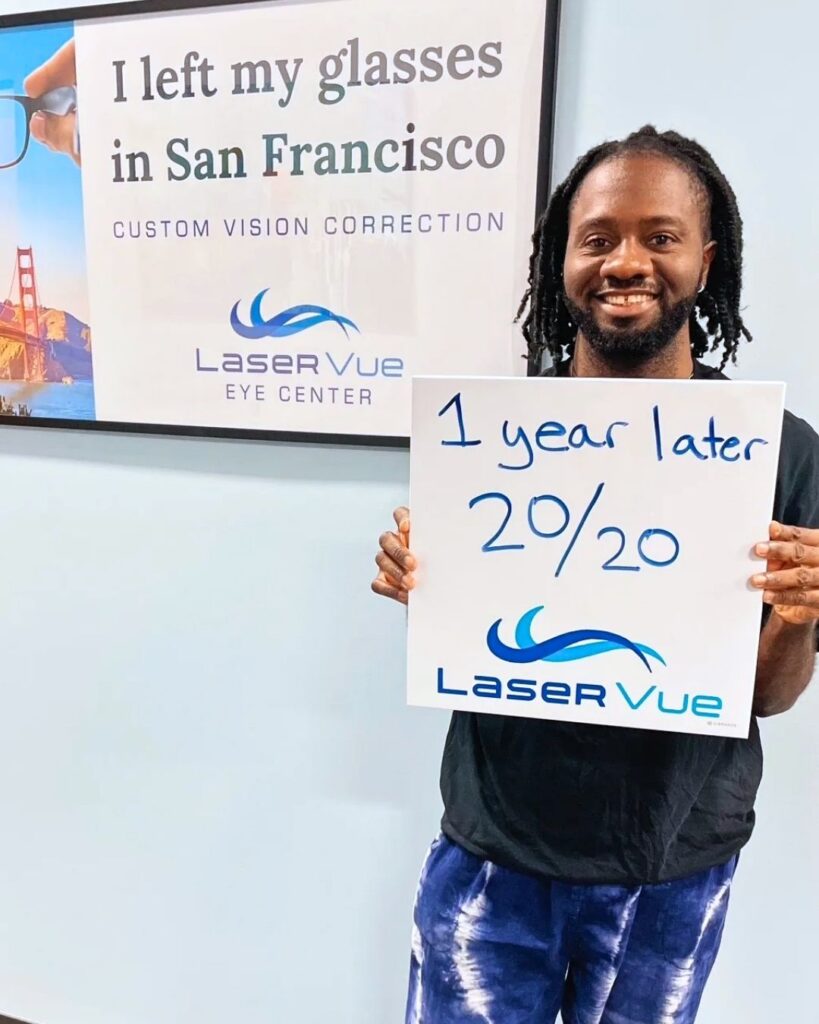

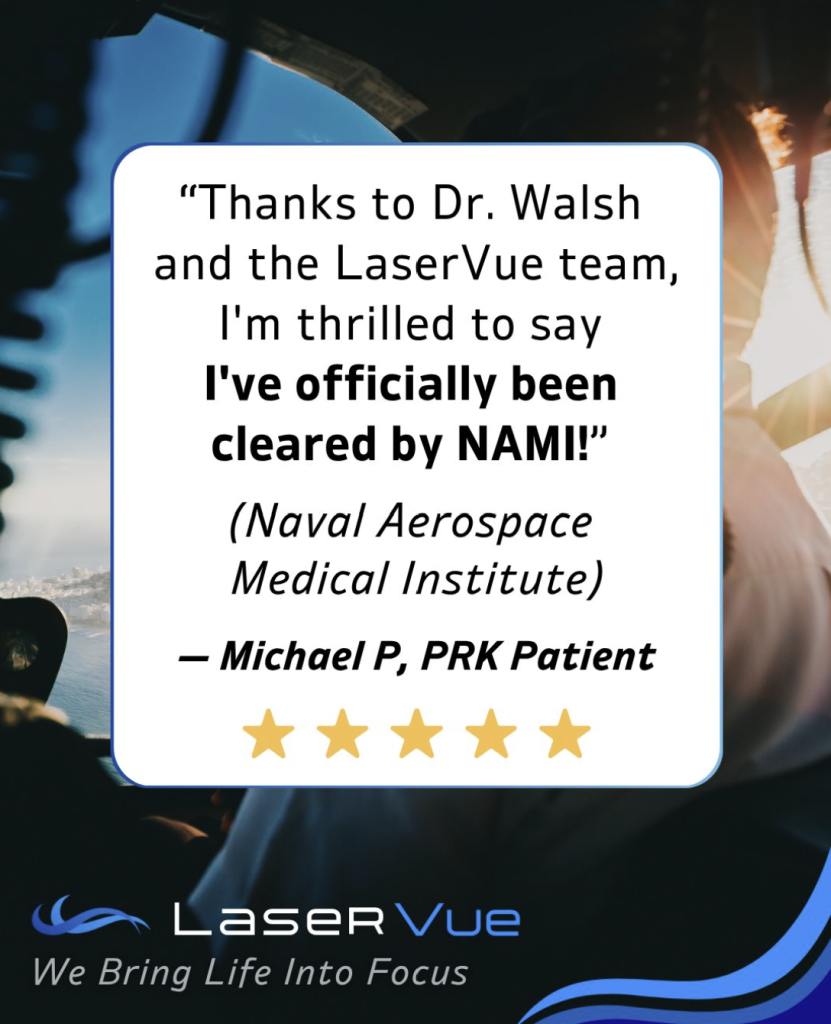
PRK is often selected by patients even when LASIK is a safe option for them. PRK often better aligns with certain eye structures, lifestyles, or long-term considerations.
- Preferred for military personnel and contact sports athletes. Many individuals in high-impact or high-risk professions choose PRK. This procedure avoids flap-related concerns in environments where eye trauma risk is higher.
- No corneal flap. PRK avoids flap creation entirely, which eliminates any long-term flap-related considerations. This appeals to patients seeking a surface-based approach.
- Better for thinner corneas. Because PRK does not require a flap, it may be considered for patients that want to preserve their corneal tissue.
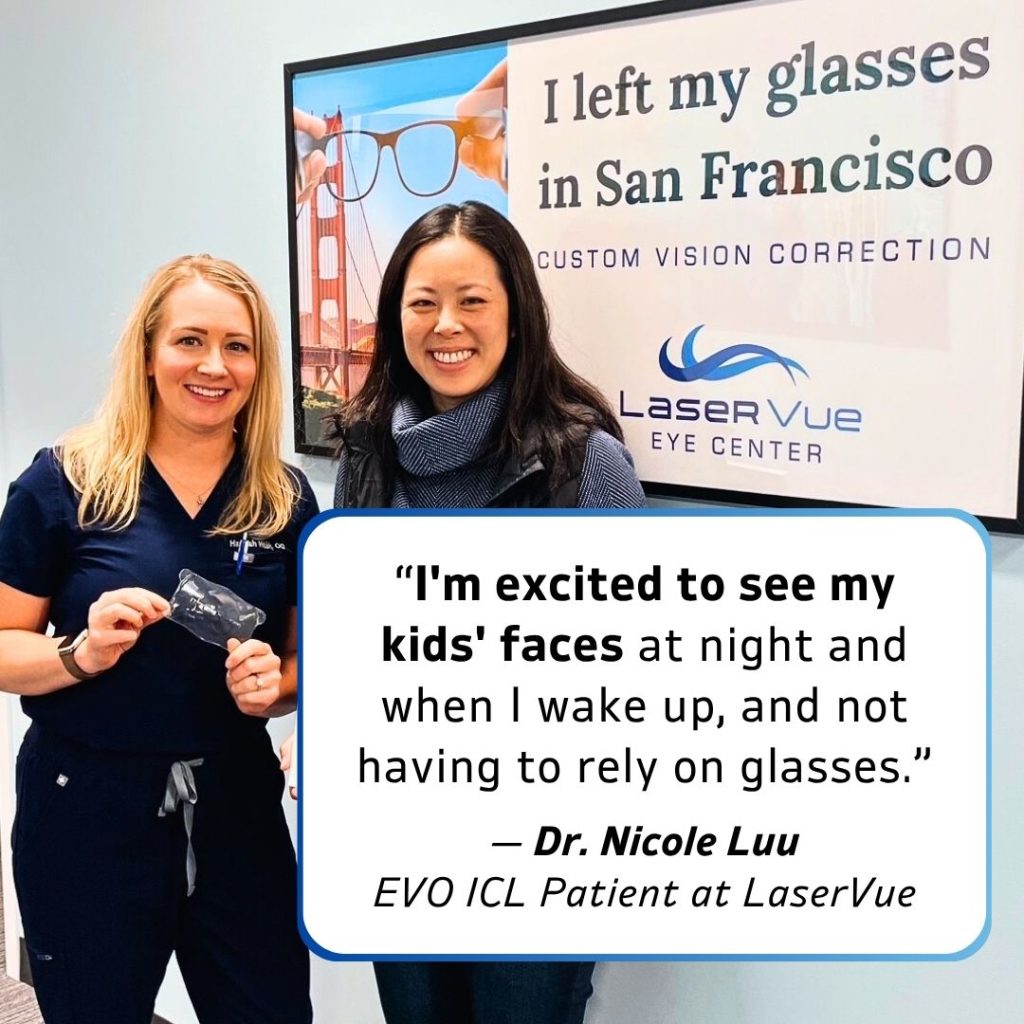
EVO ICL is often chosen when patients want excellent vision correction without altering the corneal structure.
Many patients choose EVO ICL because it can deliver extremely high-quality vision without altering the corneal structure. One of its major advantages is that the procedure is reversible, meaning the lens can be removed or exchanged if medically necessary in the future.
It is also particularly effective for patients with high prescriptions, especially high levels of nearsightedness that may be outside the ideal range for LASIK.
EVO ICL does not require a corneal flap, which is another reason some patients prefer it over LASIK. Because the cornea is left untouched, some patients experience fewer concerns related to dry eye after surgery.
Some patients choose RLE because it addresses both distance vision and near vision at the same time, especially when using premium intraocular lens technology. It is also attractive for patients who tv want to eliminate the possibility of developing cataracts later in life, since the natural lens has already been replaced.
Many adults with presbyopia, or age-related difficulty focusing on near objects, also find RLE appealing because it can reduce or eliminate the need for reading glasses.
A comprehensive vision correction consultation typically includes detailed corneal mapping, precise prescription measurements, and assessment of the natural lens. It also includes a discussion of lifestyle factors such as occupation, hobbies, and your visual needs.
A personalized surgical plan matters because it directly impacts safety, visual quality, and long-term satisfaction. When vision correction is tailored to the person, outcomes tend to be more predictable and precise.
Modern refractive surgery is no longer limited to LASIK alone. Today’s patients have access to many modern procedures that can be tailored to different eyes, lifestyles, and goals.
LASIK remains one of the safest and most successful elective surgeries ever developed. For many patients, it is still the ideal procedure. For others, alternatives such as SMILE, PRK, EVO ICL, or Refractive Lens Exchange may ultimately provide a better fit.
The most important step is not choosing a procedure based on internet stories or fear. It is getting a professional evaluation from an experienced vision correction specialist who can honestly explain your options.
